
Acute myeloid leukaemia (AML) treatment
Treatment for AML usually starts quite quickly after diagnosis, to get the leukaemia under control. After this, treatment continues for several months.
Find out about the different types of treatment, possible side effects and how doctors measure your response to treatment.
Funding information
The following pharmaceutical companies and charitable organisations helped fund this information, but had no influence over it: Abbvie, AstraZeneca, Incyte, Jazz Pharmaceuticals, Kyowa Kirin, Roche, Sobi UK, The Garfield Weston Foundation, The Steel Charitable Trust and The Grace Trust.

Your treatment for acute myeloid leukaemia (AML)
Your treatment plan will be personal to you, but there are some key things to know and tips to help you cope with treatment.

Intensive treatment for AML
Some people have intensive treatment, which gives the best chance of getting rid of the AML. Read about the phases of intensive treatment and the different drugs you might have.

Less-intensive treatment for AML
If you are not well enough to have intensive treatment, there are less-intensive treatments available. These aim to control the AML as much as possible.

Measuring your response to AML treatment
Doctors use tests to monitor your AML and how you are responding to treatment. We explain the different types of tests and what the results mean.

Relapse and refractory AML treatments
If your treatment isn't working (refractory AML), or the AML comes back (relapse), there are other treatment options available.

Side effects of AML treatment
AML treatment does cause side effects, but everyone reacts differently. Read about common side effects and things that can help.
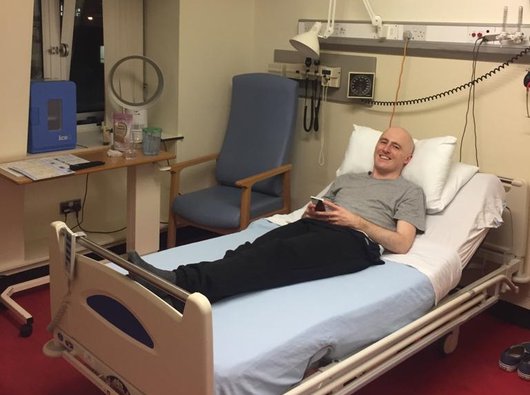
"When you’ve got AML, one of your number one questions is - what do I need to do in order to beat this?"
Graeme, diagnosed with AML in 2017.
Read Graeme's story about How to keep your positivity during treatment.
This information about AML is accredited with the PIF TICK, the UK's only quality mark for trusted health information.
Last full review April 2026. Next full review due April 2029. We may make factual updates to the information between reviews.
We would like to thank Consultant Haematologist Dr Richard Dillon for checking the clinical accuracy of this information, and Advanced Nurse Practitioner Kirsty Crozier for her guidance and support. Thank you also to Anna, Bav, Graeme, Yvonne, Josh, Marie, Rebecca and Stephen for supporting this project and sharing their experience of living with AML.