
Myeloma symptoms
Myeloma, also called multiple myeloma, causes changes in your blood and bone marrow. Bone marrow is the spongy tissue inside some of your bones. These changes cause a wide range of symptoms.
Funding information
The following pharmaceutical companies and charitable organisations helped fund this information, but had no influence over it: Abbvie, AstraZeneca, Incyte, Jazz Pharmaceuticals, Kyowa Kirin, Roche, Sobi UK.
What you need to know:
- Myeloma symptoms are usually linked to high blood calcium, kidney damage, anaemia or bone damage.
- Symptoms vary from person to person, depending on how their myeloma affects them, and can be hard to spot.
- If you have myeloma, it’s important to tell your hospital team about any new symptoms or signs of infection.
Spotting the symptoms
Myeloma symptoms can be hard to spot. Often people with myeloma look back and realise they had symptoms for some time before their diagnosis. These might be long-lasting infections, back pain or extreme tiredness (fatigue). Understandably, many assumed they were just run down or had pulled a muscle.
If you have any symptom that you can’t explain, that goes on for a long time, or is unusual for you, speak to your GP.
"People may think, ‘The GP’s really busy. And I don't want to sit in A&E for hours.’ But if I hadn't done that, at what point would it have got found out? So if you don't think something's right, get it checked."
Kerry, living with myeloma since 2021
Read Kerry's story about how myeloma treatment affected her fertility

CRAB symptoms
Myeloma symptoms are often called CRAB changes because they are caused by these main four problems:
- Calcium levels in the blood being too high
- Renal (kidney) damage
- Anaemia (low levels of red blood cells)
- Bone damage.
Symptoms of too much calcium in the blood
- feeling sick (nausea)
- low appetite
- difficulty pooing (constipation)
- needing to wee more often
- feeling thirsty
- low energy levels
- feeling confused or dazed.
Symptoms of renal damage
- extreme tiredness (fatigue)
- itchy skin
- feeling sick (nausea)
- fluid retention, which can make you short of breath and make your ankles swell.
Symptoms of anaemia
- feeling tired
- feeling breathless
- paleness in the lips, gums, tongue, nail beds or inside the eye lids.
Symptoms of bone damage
You may have bone pain, especially in your back, ribs or hips, that:
- gets worse if you sneeze, cough or strain
- gets worse over time
- doesn’t go away and stops you sleeping
- is worse when you lie on your back.
Bone damage can lead to broken bones (fractures). These are caused by holes that weaken the bones, called lytic lesions. If myeloma has made your bones weak, everyday things such as sneezing or lifting can cause breaks.
"I was just getting ready for work and I gave the most almighty sneeze and felt my back go. I thought I’d pulled a muscle but in fact that sneeze had collapsed two vertebrae."
Joan, living with myeloma since 2006
Find out how Joan and others are coping with a myeloma diagnosis.

Spinal cord compression
The bone damage caused by myeloma can cause pressure on your spinal cord. This is called spinal cord compression.
Spinal cord compression needs urgent treatment, so you should get help immediately if you have symptoms. The main symptoms of spinal cord compression are:
- poor control of your bladder or bowel, or not being able to wee or poo
- problems walking
- weakness in your legs or arms
- numbness or tingling (pins and needles) in your legs, arms or buttocks
- a band of pain around your chest or tummy
- sharp pain that travels down your arm or leg.
Other symptoms of myeloma
Other myeloma symptoms can include:
- blurred vision, dizziness or headaches
- unexplained bruising
- unusual bleeding such as frequent nosebleeds or heavy periods.

Information for the Black community
Get essential information about blood cancer including stories from Black people with blood cancer and where to find support.
Smouldering or asymptomatic myeloma
Some people have no symptoms or CRAB changes when they are diagnosed with myeloma. This type of myeloma is called smouldering myeloma (or sometimes asymptomatic myeloma). It may not need treatment for some time, if ever.
When to contact your hospital
If you have myeloma, or are having tests for possible myeloma, it’s important to look out for any new symptoms or changes. Tell your hospital team straight away if you notice anything. Depending on the problem, they may advise you to visit the hospital or your GP for a check-up.
If you think you have an infection
Myeloma causes your immune system to work less well. So you should look out for symptoms of infection and get help straight away.
Here are some common symptoms of infection – any one of these could be a reason to get medical advice:
- feeling hot or cold (a temperature that’s higher or lower than normal)
- sore throat
- cough with green mucus
- frequent watery poos (diarrhoea)
- being sick (vomiting)
- feeling dizzy or faint
- headache or stiff neck
- red, hot or swollen skin
- burning or stinging when you wee, or only passing a small amount
- pain, redness or fluid (discharge) around the site of a central line
- pain, itching or unusual discharge from your penis or vagina
- new pain anywhere in your body
- generally not feeling well.
Having myeloma means your immune system won’t deal with germs as well as before. So even if your symptoms seem very mild, do get medical advice.
If you are currently having myeloma treatment, you should have a phone number to call in an emergency. If you can’t get through, call 999 or get someone to drive you to A&E.
If you are not currently having myeloma treatment, call your GP or hospital team. If you can’t speak to them, call 111 for advice.
Ibuprofen is not usually recommended for people with myeloma, as it can harm the kidneys. Discuss taking ibuprofen with your hospital team if you already have kidney problems, which are common in people with myeloma.
It’s best to ask your hospital team or GP about which over-the-counter medicines are safe to use.
Share this page with your family and friends so they have this information too.
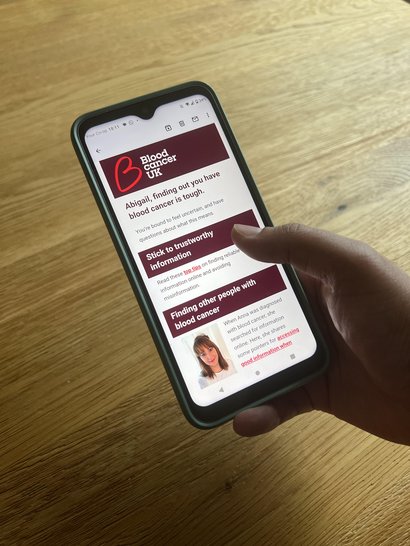
Get a weekly support email from us
Get clear and simple information, practical tips, and advice from other people with blood cancer to help you during the first few weeks and months after diagnosis.
More About ThisAbout this page
This information has been accredited with the PIF TICK, the UK's only quality mark for trusted health information.
Last full review May 2026. Next full review due May 2029. We may make factual updates between reviews.
Thank you to Consultant Haematologist Dr Emma Searle and Myeloma Nurse Practitioner Amie Martin for checking the clinical accuracy of our myeloma information. Thanks also to Cecelia, Craig, Joan, Kaleigh, Kerry, Louise, Mart, Sandra, Scott for supporting this project and sharing their experience of living with myeloma.