
Frequently asked questions (FAQs)
It’s understandable to be nervous about joining a clinical trial, especially if you don’t know what to expect or if you have heard stories that worry you. We’ve put together some frequently asked questions and addressed common myths about clinical trials.
Will I be given a placebo?
It is highly unlikely that placebos (also known as dummy treatments or inactive substances) would be used in a blood cancer trial. This is because it would be unethical to withhold treatment from people who need it. Most people in a blood cancer trial will receive either the current best treatment available, or the new drug being tested.
On rare occasions, you may receive a placebo in addition to either a new drug or the best standard treatment. You will always be informed if this is the case, and it won’t affect the treatment itself.
Will I be used as a guinea pig?
By the time a new drug or treatment is ready to be tested in a clinical trial, it will have already undergone extensive laboratory tests that prove it is safe for humans.
Although researchers might not know exactly what side effects you may get (if any), your safety is the most important thing. Safety will be constantly assessed during the trial, and any side effects you do experience will be closely monitored.
It’s also worth knowing that before you agree to join a clinical trial, your healthcare team will check that you meet the trial eligibility criteria. They will also make sure you have all the information you need to decide if the trial is right for you.
There will be lots of opportunities to ask questions, and if you don’t understand something, you can ask your doctor or the trial researchers to explain it again.
If you change your mind about being on a trial at any point, you can leave.
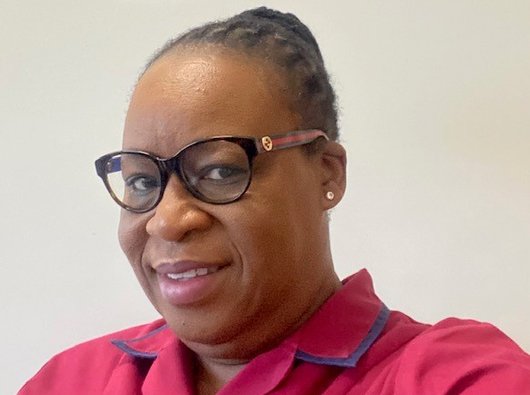
"From my experience, I’ve found that people worry that they’re being used as a guinea pig, and that the safety of a drug is being tested on them. I explain there are strict regulations in place to make sure the drug is safe before it reaches the trial."
Millie, Advanced Nurse Practitioner.
Read more about how Millie helps people to make decisions around clinical trials.
How can I trust that people involved in a clinical trial are telling the truth?
We know that some people have had bad experiences on clinical trials in the past, where things went wrong and safety and honesty were not prioritized. It’s understandable to feel wary of clinical trials if you’re familiar with these stories.
Today, safety and ethics are of utmost importance to everyone involved in a trial, and there are robust regulations in place in the UK and across the world to ensure that nobody on a clinical trial comes to any avoidable harm.
Read more about safety, consent and eligibility in clinical trials, and get in touch with our Clinical Trials Support Service if you have any further worries or questions.
My doctor didn’t mention trials. Can I still join one?
Sometimes, your doctor might forget to mention a trial, or not be aware that a suitable one exists. Just because they haven’t brought it up doesn’t mean there isn’t one for you.
You can ask your doctor about trials yourself, or look at online trial databases to see if anything interests you. If you do spot a trial you’d like to join, ask your doctor to find out if you’re eligible.
You can also call our Clinical Trials Support Service for more information and help finding a clinical trial.
I have other medical conditions. Will that rule me out?
No, you won’t automatically be ruled out of joining a clinical trial if you have another medical condition. Each trial has its own eligibility criteria, and this is important to keep you safe and ensure you’re fit and healthy enough to cope with the treatment offered.
The only way to know if you’ll be eligible for a trial is to ask. Speak to your doctor, or call our Clinical Trials Support Service for more information.
Are trials only for certain types of people?
There are thousands of clinical trials happening at any given point in the UK. Each one will be looking for people of all different ages, genders, ethnicities, locations, and cultural backgrounds. You can ask your doctor about the eligibility criteria of a particular trial, or search online yourself.
For understandable reasons, people from minoritized communities have historically been less likely to take part in clinical trials. This may be due to language barriers, a lack of trust in the healthcare system, or different cultural beliefs and preferences.
However, we know that some blood cancers like myeloma and Hodgkin lymphoma are more common in people from Black and Asian backgrounds. We want to understand why, and help develop effective new treatments. This is why it’s important for researchers to include people from lots of different ethnicities in clinical trials. Diversity will ensure that new treatments are as effective as possible for everyone, instead of being tailored to White and Caucasian communities.
Are clinical trials a last resort?
It’s understandable to be alarmed if your doctor suggests taking part in a clinical trial. Some people assume this means that there is no alternative treatment available, or that an alternative treatment would not work. This isn’t necessarily true.
Whilst a clinical trial can offer the chance to try a new drug if nothing else has worked, lots of people join trials at the beginning or part way through their treatment. There are many different types of clinical trial, aimed at treating people at different stages of cancer.
You have the right to ask about clinical trials at any point after your diagnosis, and you may be able to join more than one trial over the course of your treatment.
Is a trial really necessary?
A clinical trial is just another way of receiving treatment. You may have to visit a clinic or hospital a bit more frequently, but you’re likely to have a very similar experience to someone receiving treatment outside of a clinical trial.
It is entirely your choice whether you join a clinical trial or not, and it can be helpful to think about the benefits and risks in context of your own circumstances. You might also wish to discuss your thoughts with your doctor, or give our Clinical Trial Support Service a call, before making a decision.
It may be helpful to know that by joining a clinical trial, you will be helping others now and in the future. Lots of people tell us that this knowledge is a source of pride and comfort to them throughout their treatment, and can make difficult days feel a little easier to cope with.
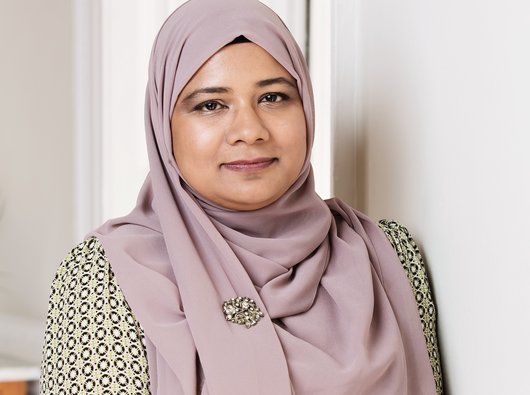
"We hear a lot from the blood cancer community of the importance of finding new treatments that increase survival and are less toxic. Clinical trials allow us to find out what treatments are most effective and make these available for all."
Dr Rubina Ahmed, Director of Research, Policy and Services at Blood Cancer UK.
Read more about how clinical trials can help beat blood cancer.
What difference will it make to me or my treatment if I go on a trial?
Some new treatments may only be available on a clinical trial, and if you are eligible to enrol on the trial, it could be the only place to access that particular treatment.
If you don’t wish to join a trial, or there isn’t a trial that’s suitable for you to enrol on, you’ll likely receive the current best standard treatment.
If there are different types of treatment available for the blood cancer you have, your doctor will talk to you about your options and explain what treatment they would recommend, and why.
Will I have to pay to go on a clinical trial? Or will I get paid?
There is no payment or fee required to join a clinical trial in the UK. You also will not get paid for enrolling on a clinical trial, although some trial organisers may refund your expenses for things like transport to the hospital for tests and appointments.
You may have seen adverts offering money to sign up to a short-term clinical trial, such as a sleep trial, but this is different. These kinds of trials usually ask for healthy volunteers to test out new products, such as cosmetics or over-the-counter drugs for a period of a few days or weeks.
It would be unethical for scientists or researchers to take money from or give money to people with cancer who need ongoing treatment for their disease.
How will being on a clinical trial affect me and my life?
Each clinical trial is different, and you will be told what to expect if you are interested in enrolling on a particular trial. The impact on your life will also depend on the type of blood cancer you have, how advanced it is, and the type of treatment you need.
Some people may only have to take a tablet daily, and might feel well enough to live their normal life. Others may need to have more intense treatment, such as chemotherapy. You may experience some side effects of the treatment you’re on, or you may not – this can influence how you feel and how much you can manage.
If you’re worried about working, studying or caring for dependents whilst being on a clinical trial, speak to your doctor in the first instance. We also have more information and support about managing your money, living well with blood cancer and helping your family and friends.
Where can I find people who are going through a similar experience to me?
Lots of people say that having treatment for blood cancer is isolating, and this can be especially true if you don’t see anyone that looks like you on a clinical trial or at the hospital.
If you’re keen to connect with others who understand what it’s like to be in your shoes, there are a few things you can try:
- Ask your doctor or CNS if their hospital has a buddy system, or if they know of any past patients who might like to volunteer as a mentor for you.
- Join the Blood Cancer UK online community forum. It’s free to sign up, and you can stay anonymous if you prefer.
- Search online for support groups in your area – these might be in person, over Zoom, or on WhatsApp.
- Ask in your local community – you might like to speak to a religious leader or an elder, or see if your family, friends, colleagues or neighbours know anyone in a similar situation. We know it can be difficult to open up about your personal life, and our Support service nurses can help you decide what to say if you’re nervous about sharing any private details.
- Check other charity websites to see if they can offer support or connect you with any of their members. You might want to look at organisations such as the African Caribbean Leukaemia Trust (ACLT), the Kevin Kararwa Leukaemia Trust, Cancer Black Care, Cancer Education and Shine Cancer Support.
"It would have been wonderful to speak to someone else in a similar position before, during and after the trial. I did feel a bit isolated, as the only people I could talk to were my medical team. Try and find somebody you can relate to, who understands."
Precious, diagnosed with chronic myeloid leukaemia (CML). Read more stories from people affected by blood cancer.
My family or friends don’t want me to join a clinical trial. How can I help reassure them it’s safe?
It’s common for your loved ones to have their own questions about a clinical trial. Sometimes, the information they have might be out of date or inaccurate, or they might be worried about your safety. Some communities and cultures may be less familiar with clinical trials than others, and some people may even have had a bad experience on a clinical trial in the past. It’s understandable for people in this situation to be wary of trials and research.
It might be worth showing your family and friends our online information, so that they can read about clinical trials and learn more about what to expect from trials in the UK today.
Letting your loved ones know that clinical trials are safe may help to reassure them that you’re doing the best thing for you and your situation. Some people like to invite a friend or family member to their appointments, so they can discuss their fears face to face with a doctor. Or, you could ask them to trust that you are making the right decision for yourself, if enrolling on a trial is something you want to do. Share the information that helped you reach a decision, and explain why you chose to say yes.
You might also want to tell those close to you that it is very important for clinical trials to include and represent people from lots of different backgrounds, in order to improve outcomes for everyone. Taking part in a clinical trial may benefit not just you as an individual, but everyone diagnosed with blood cancer in future.
About our health information
This information about clinical trials is accredited with the PIF TICK, the UK's only quality mark for trusted health information.
Last full review December 2025. Next full review due December 2028. We may make factual updates to the information between reviews.
We would like to thank Consultant Haematologist Dr Priya Sriskandarajah for checking the clinical accuracy of this information. Thank you also to everyone who participated in the community research for this project, and shared their experience of clinical trials.
Connect with others on a clinical trial
Looking to speak to other people who have experience with being on a clinical trial? Why not join our Online Community Forum and connect with others who can understand.