
Complementary and alternative therapies
If you or someone close to you has blood cancer, you might be interested in complementary and alternative therapies. This guide explains what these terms mean, how they differ, and what experts recommend for people with blood cancer.
What’s the difference between complementary and alternative therapies?
Although the terms are often grouped together, they have different meanings:
- Complementary therapies are used alongside medical treatment. They may help you relax, cope with symptoms or manage side effects.
- Alternative therapies are used instead of medical treatment. Alternative therapies are not recommended for people with blood cancer, because they are not proven to work and may be unsafe.
Complementary therapies and blood cancer
Complementary therapies can often be used safely alongside your blood cancer treatment but always check with your hospital team. They do not treat blood cancer, but may help with stress, fatigue and general well-being.
Some people find complementary therapies help them relax, sleep better or cope with side effects.
Common complementary therapies include:
- massage
- reiki
- reflexology
- aromatherapy
- meditation
- acupuncture.
If you are interested in trying complementary therapies, always check with your hospital team or GP first. They can give you advice and help you find a therapy that is safe and that you’ll enjoy.
Many UK hospitals and cancer centres offer complementary therapies delivered by qualified practitioners. If your hospital doesn’t provide them, your team may be able to recommend a local cancer support centre or charity.
Often your complementary care provider will ask for a letter from your hospital team or GP to say you are safe to have the therapy and if there are any restrictions.
Only your hospital team or GP can give you personal advice on complementary therapies, as they know about your condition and general health.
Questions to ask your hospital team
- Is it safe to have the complementary therapy alongside my treatment or with my diagnosis.
- Could any complementary therapies help with my symptoms or side effects.
- Does this hospital offer complementary therapies for people with blood cancer or can you direct me to suitable support?
- Are there any therapies I should avoid?
Alternative therapies and blood cancer
Alternative therapies include treatments, diets or supplements that claim to treat cancer instead of medical care. These therapies have not gone through the rigorous testing (clinical trials) that approved blood cancer treatments have.
This means:
- there is no scientific evidence that alternative therapies can treat blood cancer
- they have not been tested for safety like mainstream treatments, so may be harmful
- they could interact with your blood cancer treatment, making it work less well or increasing side effects.
False claims about alternative therapies have led some people to delay or refuse effective medical treatment.
If you're considering any alternative therapies, speak to your hospital team first. These therapies may be dangerous and should not be used in place of proven treatments.
Your hospital team can explain the evidence behind different therapies and whether they are safe for you. It’s important to know that no alternative therapy will be able to cure or treat your cancer.
Feeling pressure from other people
Sometimes you might feel that the people close to you put pressure on you to try alternative therapies instead of standard treatment. If you feel like this, please speak to your clinical nurse specialist (keyworker) or another member of your hospital team.
Diets and supplements
You may hear that particular foods or supplements will help you, but there’s rarely scientific evidence to support these claims. Discuss it with your hospital team before trying something new, to make sure it’s safe and won’t interfere with any treatment you’re having. You can also get advice from a dietitian or pharmacist.
Cutting out too many foods or following a strict diet could mean you’re not getting all the nourishment and energy you need. This can make you unwell. It’s best to follow a healthy, balanced diet. Ask your hospital team if there’s anything specific you need to eat more or less of.
Read blood cancer and food: your questions to learn the facts about some common diet and cancer myths.
Our position
Blood Cancer UK does not recommend using alternative therapies in place of proven medical treatment. If you are interested in using complementary therapies alongside your care, your hospital team is the best source of safe, personalised advice.
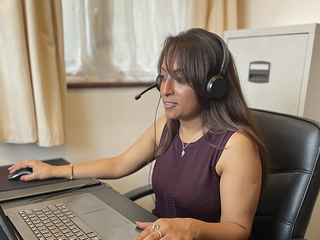
Want to talk?
If you have questions or worries, ask a blood cancer nurse. Our specialist nurses can help you make sense of things. So you can talk to your hospital team with confidence.
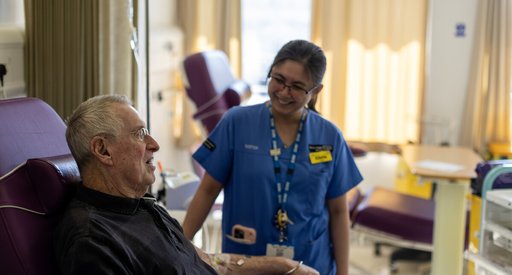
Your guide to blood cancer treatment
Find out about the different treatments for blood cancer, learn how treatment is planned, and get tips to help you cope with treatment.
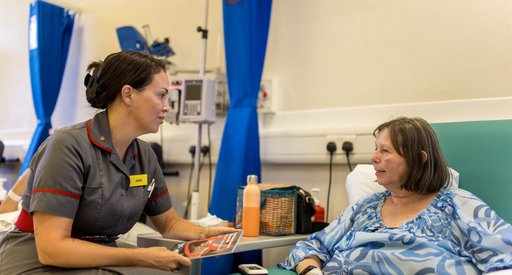
Making decisions about blood cancer treatment
Read our guide to help you make decisions about treatment for leukaemia, lymphoma, myeloma or any type of blood cancer, including how to get a second opinion.
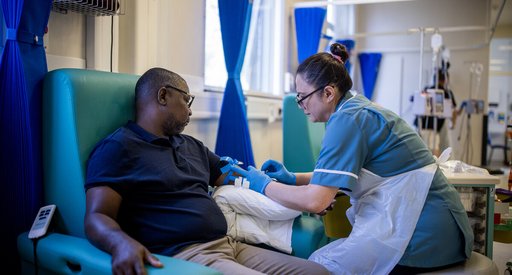
Supportive care for blood cancer
Learn about supportive care for blood cancer: what it is, how it can help and the different treatments you might have, such as steroids, growth factors and pain relief.
Our research
Thanks to our blood cancer community, we've invested over £500 million into research since 1960. Our discoveries have led to better and kinder treatments, and transformed lives.