£

Acute lymphoblastic leukaemia (ALL) is an aggressive type of blood cancer, commonly treated with chemotherapy. However, some types of ALL are likely to need less treatment than others, and we need to find ways to understand this so we can make sure we’re giving people the right amount of treatment according to their type of disease.

Project information

Lead researcher

Professor Anthony Moorman, Newcastle University

Research team
  • A team at Newcastle University
Related conditions
  • Acute lymphoblastic leukaemia (ALL)
Research type
  • Non-clinical
Region
  • North East
Grant awarded
  • Project Grant
Status
Completed
Funding award date
July 2022
Amount awarded

£160,000

Project completion date
December 2025

The challenge

Acute lymphoblastic leukaemia (ALL) is an aggressive type of blood cancer, commonly treated with chemotherapy. However, some types of ALL are likely to need less treatment than others, and we need to find ways to understand this so we can make sure we’re giving people the right amount of treatment according to their type of disease.

The project

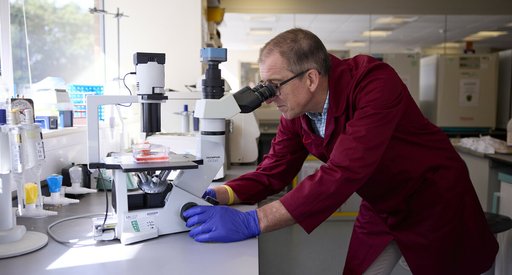
Professor Moorman and his team what to study data collected from 15,000 people with ALL who took part in a trial called HARMONY. He wants to find out how well current tools perform at determining how much treatment someone should receive and wants to see if he can find new markers that could tell clinicians what type of ALL someone has and therefore what level of treatment they should receive.

I feel the project is important as it wishes to make it easier to individualise treatments to certain ALL patients.

- Patient Voice Grant Advisory Network Member, living with an MPN

The future

In the future, this research could help make sure everyone is given the most appropriate amount of treatment for their type of ALL. It could mean that some people are given less chemotherapy, sparing them from additional side effects, and others are given more, to make sure they don’t see their disease return.

Help us beat blood cancer by funding a research project

  • Could help eight people newly diagnosed with blood cancer understand their condition.
  • Could help researchers study blood cancer cells to develop new treatments and improve early diagnosis.
  • Could help scientists identify genetic patterns in tumour samples to better understand how genes contribute to the development of blood cancer.
Donate