
I've just been told I have blood cancer
Finding out you have blood cancer can be overwhelming, but we're here to help. In this section, learn what to expect in the early days and weeks after your diagnosis, the key things to know about blood cancer, and where to get support.
If you're not sure where to start, answer some quick questions to get your personal guide to blood cancer, with information and support tailored to you.
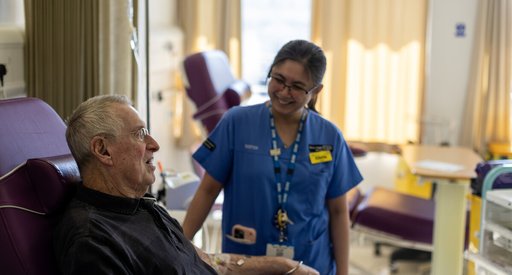
Key things to know
After a blood cancer diagnosis, there are some important things to know about first, including your rights, whether blood cancer can be cured and how to look after yourself.

Tests and starting treatment
Find out what happens next after you've been diagnosed with blood cancer including the tests and treatment you may have.

Get tailored support
Everyone's experience of blood cancer is different. Answer a few quick questions to get your personal guide to blood cancer, with information and support tailored to you.

Your risk of infection
If you've just been diagnosed with blood cancer, you may have a higher risk of infection. Learn how to prevent infections and what to do if you have symptoms.
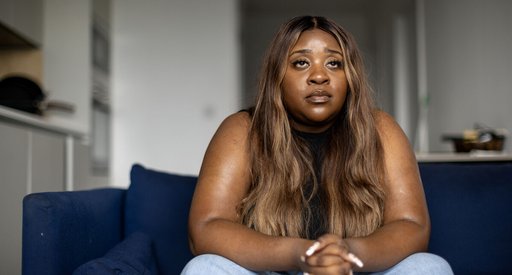
Your emotions
Finding out you have blood cancer can have a big impact on your emotions. Find support around coping emotionally, telling other people and waiting for test results.

Everyday life
A blood cancer diagnosis can affect everyday life such as your job and study plans. Read more here about working, studying and where to get financial support.
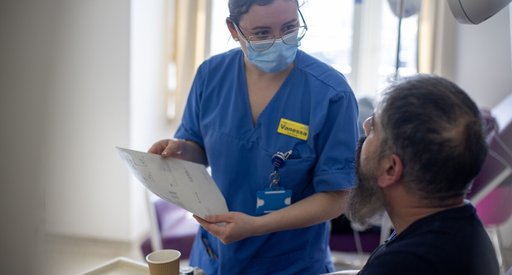
Blood cancer terms
People diagnosed with blood cancer often say that there’s a whole new language to learn. Here’s a guide to some common blood cancer terms you may come across.
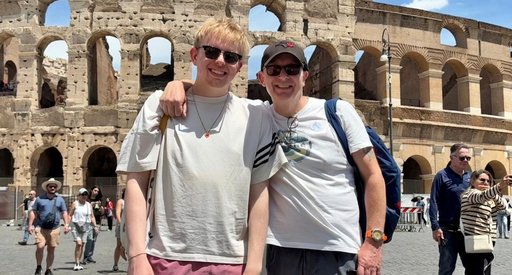
Blood cancer stories
Hear from others who've adjusted to life after a blood cancer diagnosis. Our stories cover everything from diagnosis, treatment and remission to living with blood cancer, fatigue and help with finances.
Get the information you need
These pages aim to tell you what to expect, and where to get help when you need it. Your family and friends might want to read them too.
You might also want to order our booklet for anyone newly diagnosed with any blood cancer: Your blood cancer diagnosis: What happens now? Order free copies for yourself, your family and friends.
If someone you love has been diagnosed, you might find our information for family and friends helpful, including the Blood Cancer Heart to Heart podcast.
We also have specific information for young adults and information created with and for people affected by blood cancer in the Black community.
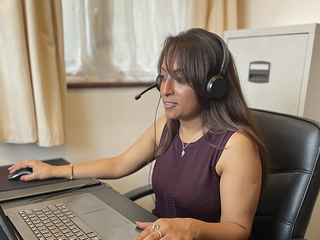
Worried about anything or have questions?
If you need someone to talk to, please don't hesitate to contact our Support Service by phone or email.
Last full review November 2025. Next full review due November 2028. We may make factual updates to the information between reviews.
Thanks to consultant haematologists Dr Kevin Boyd and Dr Steven Knapper and clinical nurse specialists Vicki Kitchker and Kirsty Crozier for checking the medical content in this section. And thanks to Anita, Jacqueline, Precious, Quentin, Simone and Vij for their insights into what it's like to be diagnosed with blood cancer.