
How clinical trials work
There's a lot to know about clinical trials. We'll walk you through why they matter, and how they're designed and funded
Before any new medicine or treatment is given to people, it is tested thoroughly in a laboratory to make sure it looks safe. When experts believe it is ready, the next step is to test it in clinical trials.
Clinical trials explained
The goal of most clinical trials is to find out:
- Is the new drug or treatment safe for people?
- Does it work, and is it as effective - or better - than the treatments we already have?
If a trial is successful, the new drug may become the standard treatment for everyone.
Clinical trials can also be used to:
- see if an existing approved drug or treatment for one disease can successfully treat a different disease
- test new combinations of current approved drugs or treatments
- test different ways of giving treatment, such as new medical equipment
- understand more about blood cancer and how it affects us
- learn more about symptoms and side effects, and how to manage them.

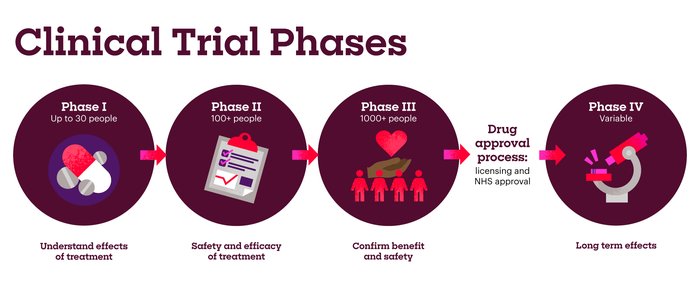
Phases of a clinical trial
There are four main stages of a clinical trial, called 'phases'. Every clinical trial will go through these phases, and you may be invited to join a trial at any of the phases, or even more than one phase.
Phase 1 trials
A Phase 1 clinical trial, also known as Phase I or phase one study, tests the safety and side effects of a new drug or treatment.
People who take part in phase one trials (up to 30 people) often have advanced cancers, and have usually tried all the existing treatment options available to them.
The first few patients to take part in a phase one trial are given a very small dose of the new drug. If they respond well, the next group have a slightly higher dose. The dose is gradually increased with each group.
The researchers monitor the effect of the drug until they find the best dose to give. This is also called a dose escalation study.
Phase 2 trials
Phase two clinical trials, also known as Phase II or phase two study, tests a new drug or treatment on a larger group of people (more than 100). This is to find out more about how exactly the treatment affects the cancer, and whether it causes any side effects.
These trials can last several weeks, months, or sometimes even years. The length of time you'll stay on a phase two trial will depend on the blood cancer you have, whether you need short- or long-term treatment, and how successful the treatment is.
You'll be able to find out how long you might be expected to stay on a trial for before you enrol. You are also allowed to leave a trial at any time, for any reason, if you change your mind about being on one.
Phase 3 trials
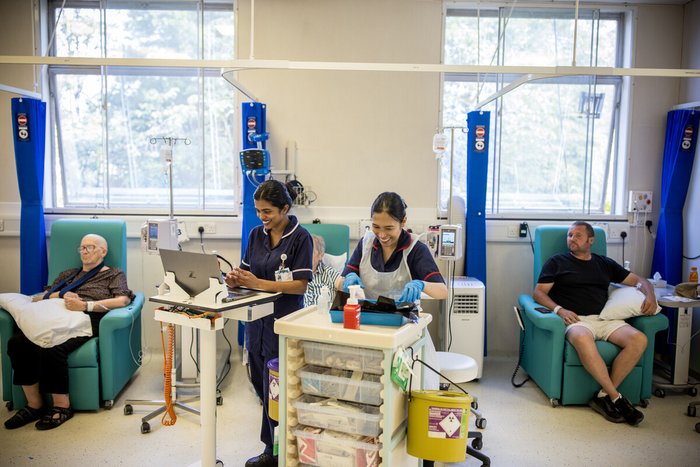
A Phase 3 clinical trial, also known as Phase III or phase three study, involves more people (hundreds or thousands) and compares new drugs or treatments with the best current treatment available.
Phase three trials usually last a long time, as researchers want to see how the new drugs may perform in the long term.
Phase 4 trials
Phase 4 clinical trials, also known as Phase IV or phase four studies, are carried out after a new drug has been shown to work and has been licensed to be used (a licence means the medicine can be made available on prescription).
The aim of phase four trials is to find out how well the drug works when it's used on even more people. Researchers also study the long-term benefits and risks, and discover more about any possible side effects.
Types of clinical trial
As well as the different phases of a clinical trial, there are also different types of clinical trial.
Not everyone taking part in a clinical trial receives exactly the same treatment. This is often because trials compare different treatments, doses, or combinations to see what works best. However, if a suitable treatment option is available for you, you will not be refused it.
Some participants may receive a placebo alongside a treatment but never instead of a treatment. You can read more about placebos and how they’re used on our common worries about trials page.
Open label trials
In open label trials, both you and the researchers know which treatment you’re having.
These trials usually compare two very similar treatments to test which treatment is better, and usually happen in the early phases.
Randomised controlled trials (RCTs)
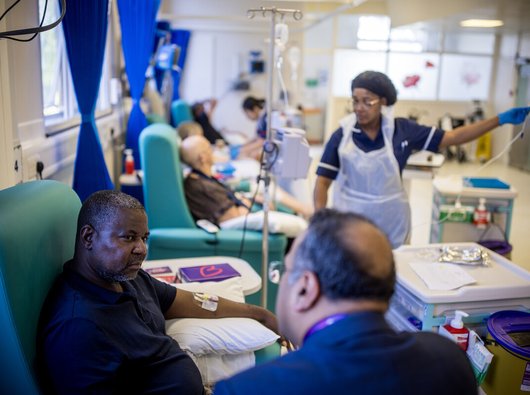
In a randomised controlled trial (sometimes called an RCT), you'll be put randomly into either:
- the treatment group – where you’ll be given the new treatment being trialled, or
- the control group – where you’ll receive the current best standard of treatment.
If you take part in a randomised trial (most phase III and some phase II trials are randomised) a computer programme is usually used to randomly select which group you will be in. Your personal details, such as your age, gender and general health are all taken into account so that the groups in the trial are as similar as possible. This helps to make sure that the results of the trial are reliable and accurate.
Blind clinical trials
A blind trial is a trial where the people taking part don’t know which treatment they are getting. You might get the new treatment. Or you could receive the current standard treatment.
So that nobody can tell which treatment they are having, everyone taking part will receive identical looking injections, tablets, or other forms of treatment.
Double blind clinical trials
In a double blind trial, you won't know if you're getting the new treatment or the current standard treatment, and neither will your doctor or the researchers, until the end of the trial.
This makes sure that the results are more reliable as they will not be influenced by your expectations or the researchers' expectations.

Why clinical trials matter
Find out how clinical trials improve treatment and help future patients too.

How clinical trials are kept safe
Find out about the rules, checks and rights that protect you.

Decide if a trial is right for you
Explore benefits, risks and common worries to help you decide.
Benefits and risks of taking part in a clinical trial
Explore benefits, risks and common worries to help you decide.