
Life in remission from B-ALL
Once you have finished the consolidation phase of treatment and you are in remission, you may feel like your life can start getting back to a more normal routine.
Unless you have had a stem cell transplant as part of your B-ALL treatment, you will have maintenance treatment for around two years after consolidation treatment. You can think of your follow-up care as starting during this maintenance phase. We have information about maintenance treatment on the B-ALL treatment web page.
Most people will be able to start getting back into their usual routines and doing things they enjoy, like going back to work or college, travelling or going on holiday.
How you might feel
You will likely spend much less time in the hospital and see your hospital team less often after your more intensive phases of treatment end. For many people, this brings a sense of relief and an encouraging sign that life can begin to move forward.
However, it is also common to feel unsettled by having fewer appointments and check-ups. Many people experience anxiety about their B-ALL returning, especially while waiting for test results. These feelings are completely normal and very common.
Some people find that it's not until after their treatment has finished that what they've been through really hits them. Remember, even after treatment ends, you can still contact your clinical nurse specialist or key worker if you have any worries or questions.
Make sure you take things one day at a time, and don’t be afraid to ask for support if you need it. You will likely still need time to physically recover and mentally process what’s happened. Try not to rush yourself into getting back to normal before you're ready.
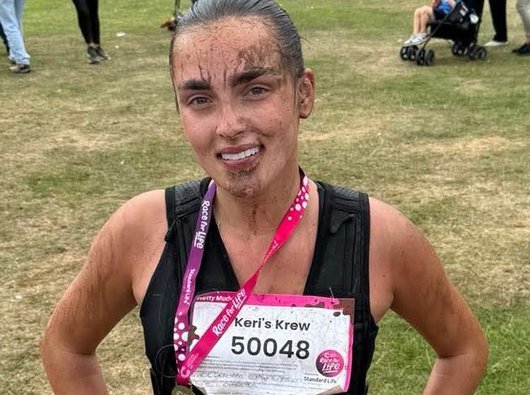
''I could feel a bit run down and I’d convince myself that I'd relapsed. It’s hard to get out of the habit of always thinking the worst, but it’s got slightly easier the longer I’ve been off treatment.''
Keri, diagnosed with B-ALL in 2019
Read our information about coping after blood cancer treatment ends.
Infection risk
You will likely still be at risk of infection during your recovery. The time it takes for your immune system to go back to normal will vary from person to person.
If you have any symptoms of infection, tell your hospital team straight away so they can give you the treatment you need.
Follow up and monitoring
You will have follow-up appointments for a period of time, after your B-ALL treatment ends. If you are on maintenance treatment, you can think of your follow-up care as starting now.
You will have follow-up appointments often at first, and then you'll have fewer check-ups as time goes on. How often you have them and how long you have them for, will depend on your individual circumstances and the treatment you have had. If you aren’t sure what your follow-up care looks like, don’t be afraid to ask your hospital team.
Going to your follow-up appointments is really important. During these follow-up appointments, your hospital team will check to make sure that the B-ALL has not returned. They will also check for any late effects that you may be developing.
Remember, you don't have to wait for these appointments to bring up any concerns with your hospital team. If you're worried about any new symptoms, contact them straight away.
We have more information about monitoring and follow-up after treatment ends.
Going back to work, college or university
The law says cancer is a disability. So, you must be treated fairly at work and in education.
If you are worried about going back to work or studying, or you are finding it hard to do your job or your course, your employer or education provider has to consider “reasonable adjustments” to help you.
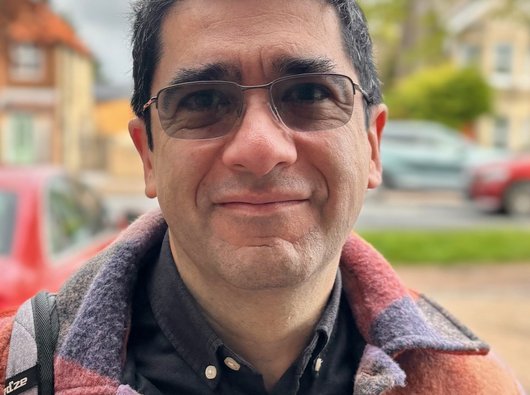
''I had to remind my colleagues that I tire more easily. It was helpful to ask for things like shorter meetings with fewer people.''
Jesús, diagnosed with B-ALL in 2022
Read our information about your rights at work and going back to work after blood cancer treatment.
Your rights as a college or university student
If you are studying, there may be a disability and inclusion service within your college or university, that you can go to for support and advice around returning to your studies.
If you haven't got them already, you might be able to find their details on your college or university's website. You could also speak to your tutor.
We have information about what kind of support you might be entitled to.
Looking after your physical health
Staying fit and healthy can help your body manage and recover from treatment, as well as making you feel better.
Keeping active:
Research shows that keeping active can reduce fatigue and improve your mood. Many people with blood cancer find this to be true. We have information here about how to keep active when you have blood cancer or you're recovering after treatment.
Eating well:
Eating well will give you the nutrients and energy you need to stay healthy. We have information about eating well when you're affected by blood cancer.
Vaccinations:
B-ALL and treatment for B-ALL can weaken your immune system and make you more vulnerable to infections. Vaccinations can help protect against these infections. Your hospital team can tell you which vaccines are safe for you, and when you should have them. People living with you should also stay up to date with their vaccines to reduce the risk of passing infections to you.
We have information about vaccinations for people affected by blood cancer.
About this page
This information has been accredited with the PIF TICK, the UK's only quality mark for trusted health information.
Last full review June 2026. Next full review due June 2029. We may make factual updates between reviews.
Thank you to Consultant Haematologists Professor Adele Fielding and Dr Clare Rowntree for checking the clinical accuracy of our adult B-cell acute lymphoblastic leukaemia (B-ALL) information.
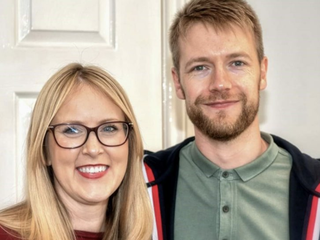
Thank you also to Karis, Ricky, Binu, Harry, Keri and Jesús for sharing their experiences and for helping with the creation of this information.