
Side effects of myeloma treatment
Special precautions and treatment side effects depend on the particular drugs you’re having. It’s important to tell your hospital team if you notice anything that may be a side effect of your treatment for myeloma (multiple myeloma).
Funding information
The following pharmaceutical companies and charitable organisations helped fund this information, but had no influence over it: Abbvie, AstraZeneca, Incyte, Jazz Pharmaceuticals, Kyowa Kirin, Roche, Sobi UK.
What you need to know:
- All drugs can cause side effects but there are usually ways to manage these.
- Make sure you know the possible side effects of your treatments. Talk to your hospital team about these and read the leaflets that come with your drugs.
- You may need to take certain precautions to prevent problems. These will depend on the drugs you are taking.
- It’s very important to know about your risk of getting infections and take steps to avoid these.
Managing side effects
Every medicine comes with a risk of unwanted problems called side effects. But everyone is different. So even if you know someone who’s had the same treatment, you’re unlikely to have the exact same experience.
Some side effects are more common than others and it might help to ask your hospital team what these are.
If you do notice anything that might be a side effect of treatment, it’s important to tell your hospital team. They will help by prescribing medicine or suggesting other ways to ease the symptoms.
Another thing your hospital team can do is lower the dose of a particular drug if it is causing you problems. There are many myeloma drugs available, so it may be possible to change your treatment if it’s hard to tolerate.
It may help to talk to other people with blood cancer about side effects and share experiences and tips. You can do this on our Online Community Forum.
You may also want to read our general information on common side effects of blood cancer treatment.
"When I started treatment, one of my first questions was would I lose my hair straight away? I’m Afro-Caribbean, and my hair was really thick."
Simone, living with myeloma since 2018
Read Simone's story about how she coped with hair loss during myeloma treatment

Special precautions
You may need to take certain precautions or have extra tests to help prevent problems while having treatment. This is because some drugs can cause harm in certain situations, such as if you’re pregnant or have another health condition.
You can usually avoid these harms by following your doctor’s advice and the instructions that come with your drugs.
The exact precautions will depend on the drugs you are taking. Here are some examples:
Avoiding infections
If you have myeloma, you are at higher risk of infection than other people. This is because the myeloma stops your immune system working effectively. Treatment affects your immune system too, making you even more at risk from viruses and bacteria.
You should take steps to avoid infections. It’s important to talk to your hospital team about how to do this, especially during treatment. We have more information about managing your risk of infection.
Avoiding pregnancy
It’s important to use contraception to avoid getting pregnant if you or your partner is having myeloma treatment. One reason is that some myeloma drugs can affect the development of unborn babies.
Ask your hospital team or GP about the best type of contraception to use. We have more information about using contraception during blood cancer treatment.
If you hope to start a family or have more children in future, see our information about blood cancer treatment and fertility.
Protecting your fertility
Myeloma treatments can affect your ability to have children. If you are hoping to start a family or have more children in the future, tell your hospital team. It may be possible to freeze eggs, embryos or sperm for use when you’re ready.
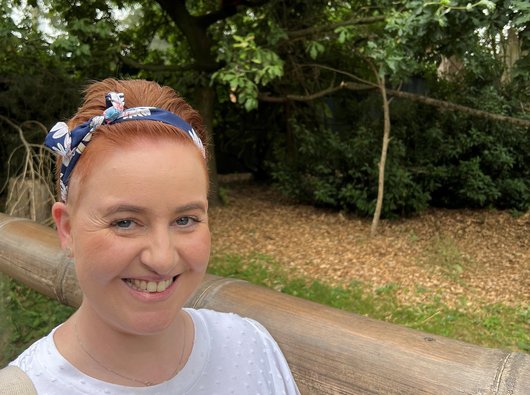
Read Kerry's story about having fertility treatment before treatment for myeloma.
Preventing blood clots
Some drugs, including immunomodulators, increase your risk of blood clots. Serious clots in veins include deep vein thrombosis (DVT), which is usually in a leg, and pulmonary embolism in the lungs. A clot blocking an artery could cause a heart attack or stroke.
If any of your myeloma drugs have this risk, you will need a drug to thin your blood and help prevent these problems. Common drugs include aspirin, low molecular weight heparin (LMWH) and apixaban. Heparin is a daily injection, and aspirin and apixaban are tablets.
Managing eye problems
The myeloma drug belantamab mafodotin can affect the surface of the eyes. This could cause blurred vision and sight loss. You’ll need an eye exam before each of your first four doses, to monitor your sight.
You may also get dry, itchy or painful eyes. Using eye drops at least four times a day and not wearing contact lenses can help.
If your eyes are badly affected, your hospital team may suggest changes to your treatment. This may involve delaying your next dose, having a lower dose, or changing to a different myeloma drug. You might need to stop driving until your sight improves. Any eye problems should improve when you stop treatment, if not before.
"During the tougher moments, being kind to yourself, recognising that your body has been through a lot, and that these changes are not your fault or a reflection on you as a person, can all help."
Surabhi, psychologist supporting people with blood cancer at King's College Hospital
Read Surabhi's advice on coping with the emotional effects of treatment.

Finding out more
Your hospital team should explain any precautions you need to take and the possible side effects of your drugs. Talk to them if you’re unsure or want more information. They may give you printed information or help you find reliable information online.
You should get a patient leaflet with any drugs you have. This lists side effects according to how common they are. You can also find these leaflets on the Electronic Medicines Compendium (EMC) website.
It can be alarming to read a long list of possible side effects. But drug manufacturers have to include every problem that’s reported to them, and that’s why the list is so long.
Talk to your hospital team or our free Support Service if you’re worried about side effects of myeloma treatments.

Ask the blood cancer community
On our online forum you’ll find a warm welcome from other people with blood cancer. And guidance from our specialist blood cancer nurses.
More About ThisAbout this page
This information has been accredited with the PIF TICK, the UK's only quality mark for trusted health information.
Last full review May 2026. Next full review due May 2029. We may make factual updates between reviews.
Thank you to Consultant Haematologist Dr Emma Searle and Myeloma Nurse Practitioner Amie Martin for checking the clinical accuracy of our myeloma information. Thanks also to Cecelia, Craig, Joan, Kaleigh, Kerry, Louise, Mart, Sandra, Scott for supporting this project and sharing their experience of living with myeloma.