
Managing the effects of myeloma
Myeloma is a blood cancer that also affects other parts of the body such as the bones and kidneys.
Funding information
The following pharmaceutical companies and charitable organisations helped fund this information, but had no influence over it: Abbvie, AstraZeneca, Incyte, Jazz Pharmaceuticals, Kyowa Kirin, Roche, Sobi UK.
What you need to know:
- Myeloma increases your risk of infections, weak bones, kidney damage and other problems.
- Supportive care can help manage these problems and prevent further complications.
- It’s very important to get all recommended vaccines when you have myeloma.
- Your hospital team should discuss bone-strengthening drugs and other ways to protect your bone health.
What is supportive care?
As well as treatment for the myeloma itself, you may need other medicines to manage any ongoing effects.
This is sometimes called supportive care because it helps to manage symptoms or prevent complications, rather than treating the myeloma itself.
Support against infection
Myeloma causes your immune system to work less well. This makes you more likely to get infections that last longer and could make you very unwell.
Treatments for myeloma generally increase your risk of infection too. Your level of risk may go up and down, depending on whether you are currently having treatment, and which treatments you are on.
An infection can get very serious very quickly when you have myeloma. It could lead to a life-threatening condition called sepsis, so it’s important to know about:
- the symptoms of infection
- how to protect yourself against infections
- what to do if you think you have an infection.
Your hospital team should explain all of this to you. You can also read our information about infection and managing your risk, or watch our short video about infection symptoms and what to do:
Preventing and treating infections
Here are some ways to prevent or treat infection that your hospital team may recommend:
Vaccinations (jabs)
You should have a range of vaccines to protect you against certain illnesses. These may not work as well as they would for someone with a healthy immune system. But they may still help to protect you.
Your doctor will let you know when it’s best to have your vaccines.
They should include:
- Flu vaccine – it’s a good idea for anyone you live with to have this too.
- Covid-19 vaccine – you should have all doses recommended for people with a weak immune system, including boosters.
- Pneumococcal vaccine – this protects against several serious infections, including pneumonia, sepsis and meningitis.
- Shingles vaccine – you should have two doses of the Shingrix vaccine at least two months apart, even if you have had shingles before.
- RSV (respiratory syncytial virus) vaccine – this protects against some coughs and colds, which can cause serious breathing problems in older people. It is available if you are over 75 years old.
If you have a stem cell transplant, you will need to have your childhood vaccines again. Your doctor will tell you about this.
You should not have any “live” vaccines, such as MMR (measles, mumps and rubella). Live vaccines are not safe for people with myeloma.
Read more about vaccinations for people with blood cancer.
Preventative (prophylactic) antibiotics
Your doctor may give you antibiotics to take when you are on treatment or after a transplant. This could help to prevent infections. They may also recommend preventative antibiotics if you keep getting infections or get very ill with infections, even if you are not currently having myeloma treatment. This includes people with smouldering myeloma.
Antivirals for shingles
Shingles is an infection of a nerve that causes a painful rash or blisters. It is caused by the chickenpox virus, even if you had chickenpox a long time ago. It is more likely if you have a weak immune system.
Doctors may prescribe antiviral tablets to stop you getting shingles.
Antibodies
You may be offered a transfusion of blood plasma, which is the liquid part of blood. This is called intravenous immunoglobulin, as it delivers immunoglobulins (antibodies) into a vein. The treatment will help you fight off infections while your own level of antibodies is low.
Covid treatments
As well as covid vaccines, you may be able to have an antiviral medicine if you catch covid. These medicines could stop you from getting very ill from covid. Read our information about how to get free covid tests and get assessed for covid treatments.
"If you can keep a calm level head, you can get through. But you have got to look after yourself, for immunity reasons, like coughs, colds, making sure people stay away from you."
Scott, living with myeloma since 2019.
Find out more about protecting yourself against infection.

Support for bone damage
Bone problems are a common complication of myeloma. Healthy bones are constantly renewing themselves. Myeloma cells interrupt this process, making the bones weak and easy to break. You may also get bone pain.
Your doctor should offer treatment to help protect your bones when you are first diagnosed. This will usually be a bone-strengthening drug called a bisphosphonate. You may also need it if you relapse after myeloma treatment.
Teeth and gums
It’s important to keep your teeth and gums healthy while taking a bone-strengthening drug. This is because treatment can occasionally affect the jaw.
If you haven’t seen a dentist in a while, or you have problems with your teeth or gums, you should see a dentist before starting a bone-strengthening drug. You should also see a dentist regularly while having this type of treatment.
Diet and exercise
Your hospital team should give you advice on healthy eating for your bones. They should also talk to you about taking calcium and vitamin D supplements. These supplements are particularly important if you use a bone-strengthening drug.
Weight-bearing exercise can also help your bones – ask your hospital team or GP about suitable exercises.
Specialist bone support
You may be referred to an orthopaedic surgeon if you have severe problems with your spine or other bones. They may offer you an operation to repair or strengthen weak or fractured bones.
You may also be referred to a clinical oncologist for radiotherapy to treat a specific area of bone. This aims to slow down the damage and reduce pain.
Support for your kidneys
Up to one in every five people (20%) have kidney damage when they are first diagnosed with myeloma. And about half will have problems at some point. Some myeloma drugs can also affect your kidneys.
Your hospital team will monitor your kidney function carefully. They may adjust the doses of your myeloma drugs – or recommend a different drug – as needed. They may refer you to a nephrologist (kidney specialist) if you need treatment to help your kidneys.
Your hospital team will give you general advice about looking after your kidneys. This is likely to include drinking lots of water to help keep your kidneys healthy.
They may also advise you not to take ibuprofen, as this can worsen kidney problems.
Support for nerve damage
Our bodies have a network of nerves that carry chemical messages from the brain to other parts of the body. Myeloma and some myeloma drugs can damage the nerves.
The nerves in your legs, feet, arms and hands are most likely to be affected. This type of nerve damage is called peripheral neuropathy.
Let your hospital team know if you have any tingling, loss of feeling or pain in your legs, feet, arms or hands. If you are having treatment, they may adjust or change your drugs. They may also prescribe medicines that treat nerve pain.
You may be referred to a neurologist (nerve specialist) if you need specific treatment.
Support for anaemia
Myeloma can cause anaemia, which is a low level of red blood cells. It can make you feel tired and breathless.
If you have these symptoms, your doctor may suggest injections of a hormone called erythropoietin (EPO). This encourages your bone marrow, the spongy tissue inside some of your bones, to make more red blood cells. You might be offered a blood transfusion.
Managing fatigue
Fatigue is a feeling of extreme tiredness that can come on suddenly and leave you feeling completely drained. It is a common symptom of myeloma and a side effect of treatment. You may even get fatigue while you are in remission.
There are lots of things that can help with fatigue, including light exercise and finding the right balance between activity and rest.
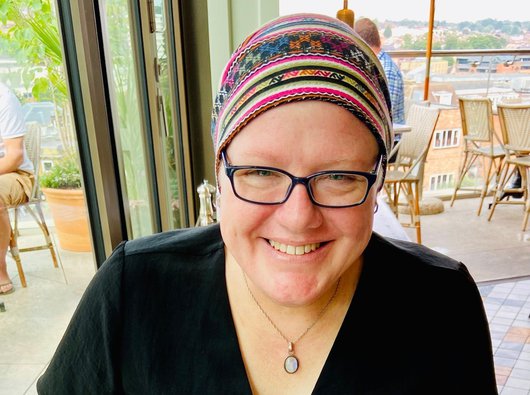
"I think my wife and I have lost a bit of spontaneity because we know that I have limitations in terms of my energy levels, and that I'm going to get tired. So these days we need to have a plan."
Cecelia, living with myeloma since 2020
Read more about how to manage fatigue.
Pain management
Most people with myeloma have some sort of pain before or after diagnosis.
Pain can have a massive impact on your life. It can affect your mental health and your body, and limit what you’re able to do. But you can get help to manage it.
If you have pain anywhere in your body, tell your hospital team. Don’t wait until the pain is bad, as this can be harder to treat.
You should also talk to your hospital team before you take over-the-counter painkillers. That’s because some common painkillers may not be safe for people with myeloma.
Over time, your myeloma treatment may help to reduce your pain. Other ways to manage pain will depend on what’s causing it, but may include:
- Painkillers – Doctors can prescribe various painkillers to help with mild, moderate or severe pain.
- Nerve pain blockers – These can treat pain caused by nerve damage.
- Bone-strengthening medicines – These can help with bone pain.
- Radiotherapy – This targets pain in a specific area of bone.
- Surgery – This can help if the pain is caused by problems with your spine or broken bones.
Your hospital team may also suggest physiotherapy or self-help techniques. If you continue to have pain, they may refer you to a pain specialist.
Other people with blood cancer may have ideas too. But check with your hospital team before trying anything new.
Myeloma UK has more information about pain and myeloma.

Want to talk?
If you have questions or worries, ask a blood cancer nurse. Our specialist nurses can help you make sense of things. So you can talk to your hospital team with confidence.
More About ThisAbout this page
This information has been accredited with the PIF TICK, the UK's only quality mark for trusted health information.
Last full review May 2026. Next full review due May 2029. We may make factual updates between reviews.
Thank you to Consultant Haematologist Dr Emma Searle and Myeloma Nurse Practitioner Amie Martin for checking the clinical accuracy of our myeloma information. Thanks also to Cecelia, Craig, Joan, Kaleigh, Kerry, Louise, Mart, Sandra, Scott for supporting this project and sharing their experience of living with myeloma.