
Our research projects
Find out more about the research projects you're helping us to fund. Together we can beat blood cancer.
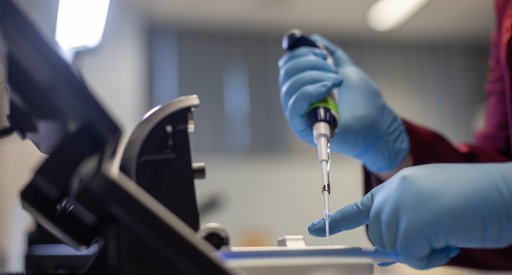
Finding new, and kinder treatments for diffuse large-B cell lymphoma
Research is looking to understand which people with diffuse large-B cell lymphoma might benefit from a new drug.
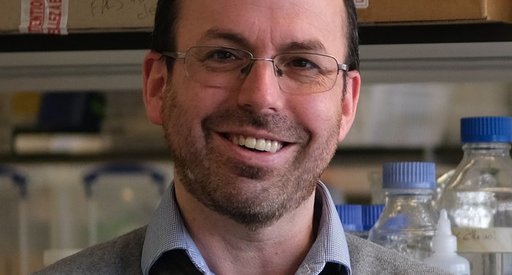
Finding a new way to treat leukaemia
Professor Kent and his team are testing a new tool to study differences between healthy and cancerous blood cells, with the aim of developing new leukaemia treatments.
Finding new ways to treat acute myeloid leukaemia
This project aims to find new ways to treat acute myeloid leukaemia, a blood cancer that is difficult to treat.
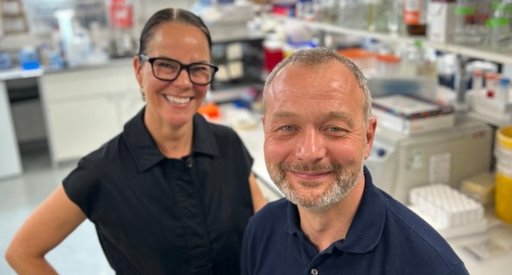
Understanding how plasma cells become cancerous in myeloma
In this research project Professor Tooze hopes to understand more about how plasma cells become cancerous.
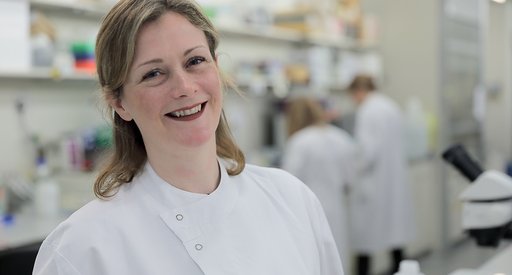
Understanding how we could make better drug treatments to target acute myeloid leukaemia (AML)
Dr Payne wants to understand more about a specific alteration that causes acute myeloid leukaemia (AML), to help develop new, more effective drug treatments with fewer side effects.
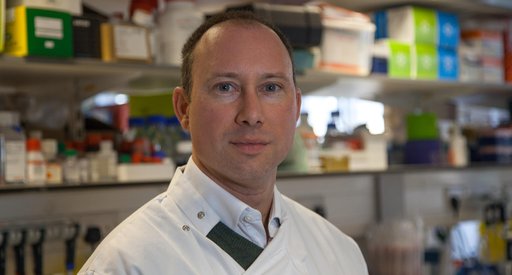
Combining drugs to create a new treatment for follicular lymphoma
Dr Riches is testing new drug combinations to improve treatment for follicular lymphoma, a blood cancer that remains treatable but not curable.
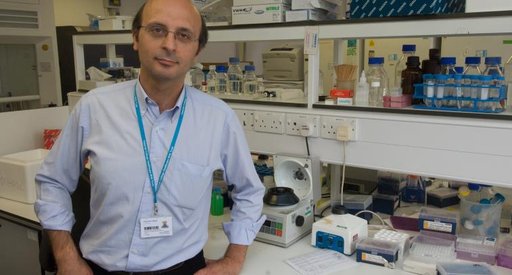
Understanding the molecules that help myeloma cells to grow and survive
Dr Karadimitris wants to understand more about how myeloma cells grow and survive so he can design and develop a new treatment for people with myeloma.
Using AI techniques to improve the diagnosis of myeloproliferative neoplasms (MPN)
In this project, Dr Royston is researching the use of computerised techniques to help to diagnose myeloproliferative neoplasms (MPN).
Using data to understand more about blood cancer
In this project Professor Pettitt will look at data on 700,000 people affected by blood cancer to understand more about the disease.

Finding new ways to identify and treat the most aggressive type of DLBCL
Dr Calado is working to understand more about why some types of DLBCL stop responding to treatment.
Using CAR-T cell techniques to treat myelofibrosis
Read more on how Dr Pule is using CAR-T cell techniques provide an alternative and potentially less harmful treatment for young people affected by myelofibrosis.
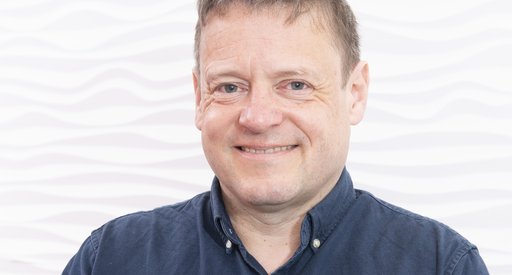
Advancing treatment for leukaemia
Professor Milne wants to find out why drugs that block a protein called menin only work for some people to help make drugs effective for more people with leukaemia.
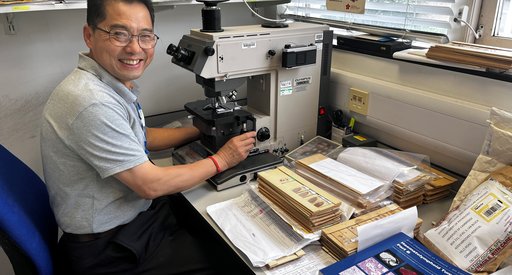
Understanding how MALT lymphoma develops
In this research project, Professor Du will investigate how MALT lymphoma develops to try and find new ways to treat it.
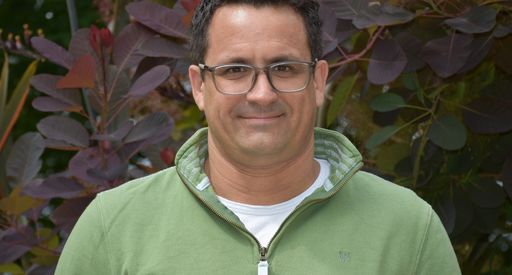
Understanding how MPN develops
In this project, Professor Hitchcock wants to understand more about how MPN develops.
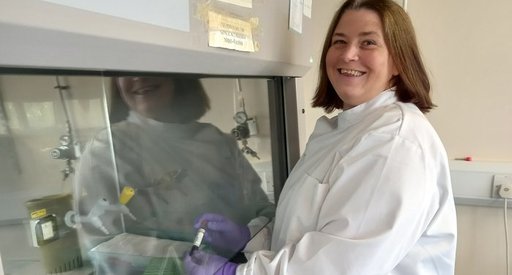
Finding out how our genetic code might cause myeloproliferative neoplasms (MPN)
By studying the DNA of people with myeloproliferative neoplasms (MPN), Professor Anderson aims to uncover what causes the disease.
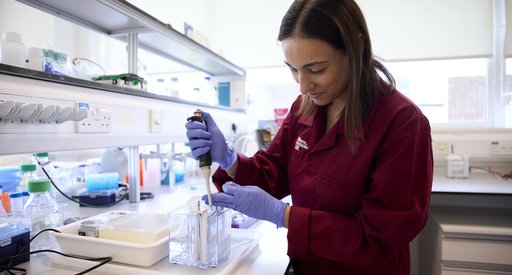
Finding new ways to treat chronic myeloid leukaemia (CML)
Dr Oberoi wants to understand more about a specific protein to see if she can find ways to switch it off to stop the growth of CML cancer cells.
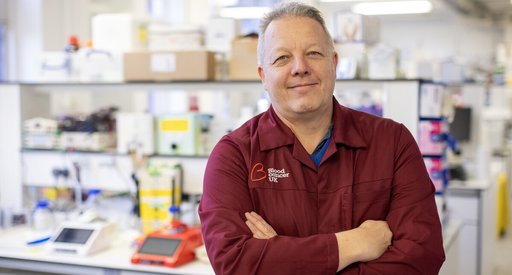
Developing more effective treatments for people with blood cancer
By uncovering how a key molecule behaves in blood cancer cells, researchers aim to improve treatments when current therapies stop working.
Finding new and better ways to treat leukaemia in babies
Some childhood leukaemias are caused by changes in a specific gene and are hard to treat, often returning after treatment. Dr Tom Milne’s research aims to develop new ways to treat leukaemia in babies.
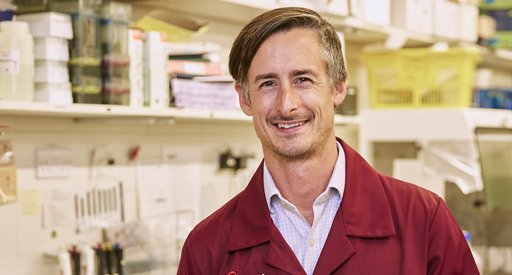
Making CAR-T cell therapy more effective for people with T-cell acute lymphoblastic leukaemia (T-ALL)
Dr Paul Maciocia is working to make CAR-T cell therapy a more effective treatment for people with T-ALL
Understanding how some cancer cells are shielded from chemotherapy
Dr Ingo Ringhausen wants to understand more about how CLL cells can resist treatment.
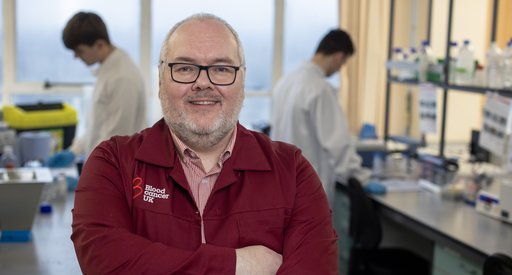
Finding new ways to treat AML
Professor Tonks is studying what drives AML to try and find new treatment targets for people with the disease.
Keep in touch with us
Get the latest news from Blood Cancer UK directly to your inbox
We will keep you updated about our work and the ways you can help, including campaigns and events. We promise to respect your privacy and we will never sell or swap your details.