
A new treatment for myeloma
Myeloma is a blood cancer of the plasma cells which is difficult to treat. Dr Alanna Green is testing a new drug which she hopes will be effective in treating myeloma.

Dr Alanna Green, lead researcher
Project information
- Lead researcher
Dr Alanna Green, University of Sheffield
- Research team
-
- A team at University of Sheffield
- Related conditions
-
- Myeloma
- Research type
-
- Non-clinical
- Region
-
- Yorkshire
- Grant awarded
-
- Project Grant
- Status
- Ongoing
- Funding award date
- October 2025
- Amount awarded
£280,000
The challenge
Myeloma is a type of blood cancer that affects plasma cells (a type of white blood cell). The disease affects nearly 6,000 people each year in the UK. Currently myeloma has no cure, but existing treatments such as chemotherapy can help keep the disease at bay but some myeloma cells become dormant, which means the cancer cells still enter a ‘sleepy state’, which means they aren’t targeted by chemotherapy.
The project
Dr Green wants to find a treatment that targets all myeloma cells, even the ones in a ‘sleepy state’. Her and her team have developed a new drug which targets these ‘sleepy’ myeloma cells. This means that when people receive this drug alongside other drugs already used to treat myeloma, all the cancer cells should be wiped out.
Dr Green and her team want to test whether this new drug works for people, by conducting experiments in the lab on myeloma cells from people with the disease to see if it could be an effective treatment. They also want to test and see if this new drug can treat myeloma that has come back and will study this in further experiments in the lab.
tba
- tba
The future
If this new drug looks successful in experiments in the lab on myeloma cells, Dr Green hopes to carry out a clinical trial where she will give this new drug to people whose myeloma has returned. Ultimately this could mean a future where there is a new and better treatment for people with myeloma, getting us closer to a day where no lives are lost to blood cancer.
Find out more
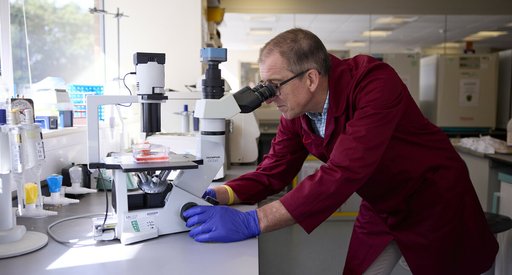
Our research
Thanks to our blood cancer community, we've invested over £500 million into research since 1960. Our discoveries have led to better and kinder treatments, and transformed lives.
Support for you
Get free support from our specialist nurses, join our online community and access information you can trust.
Blood cancer types
Understand all the different types of blood cancer and find information and support.

Clinical Trials Support Service
Find out how our Clinical Trials Support Service can help you.