
Our research projects
Find out more about the research projects you're helping us to fund. Together we can beat blood cancer.
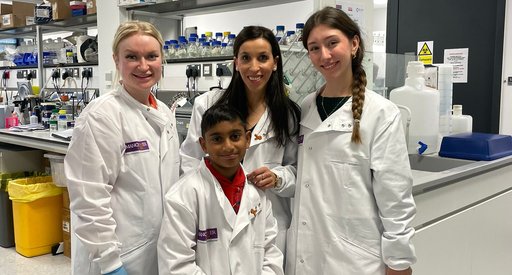
A new way of treating acute myeloid leukaemia (AML) in older people by reducing inflammation
Dr Valletta is studying why older people face worse outcomes in acute myeloid leukaemia (AML) and whether combining anti‑inflammatory drugs with standard AML treatments can boost effectiveness.
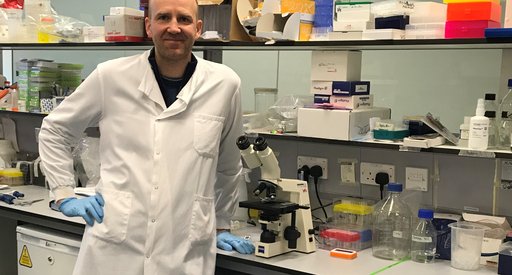
A new approach to treating chronic myeloid leukaemia (CML)
A new research project is exploring combined drug and nutrient‑restriction treatments to better target chronic myeloid leukaemia (CML) and improve future therapies.
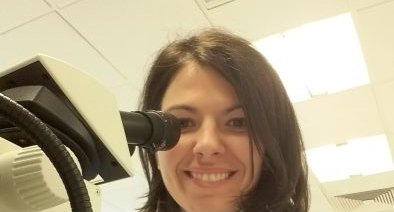
Studying immune cells to help develop new treatments for babies with leukaemia
Dr Mariani and her team are researching the role of leukaemia-associated macrophages to help develop new ways to treat leukaemia in babies.
Understanding how acute myeloid leukaemia (AML) can go undetected by the immune system
Dr Lappin wants to understand how cancer cells can avoid detection by the immune system so she can find ways to help it to better target the cancer cells.
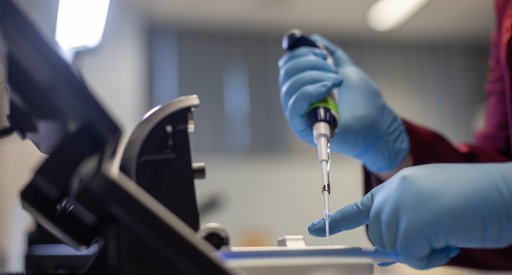
Understanding how leukaemia stem cells may help develop new treatments for AML
Dr Nisha Narayan is exploring a new technique using leukaemia stem cells to predict how people with AML might respond to existing treatments.
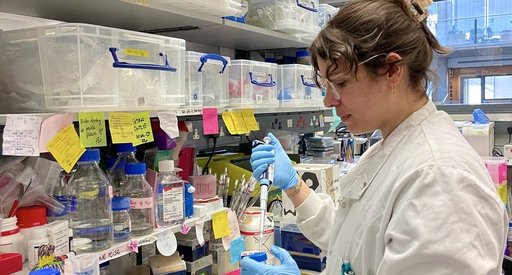
Using special cells in the bone marrow to help improve treatment of AML
Read more about how Dr Tissot and her team plan to study special cells in the bone marrow to help predict treatment outcomes and develop better treatments for people with AML.
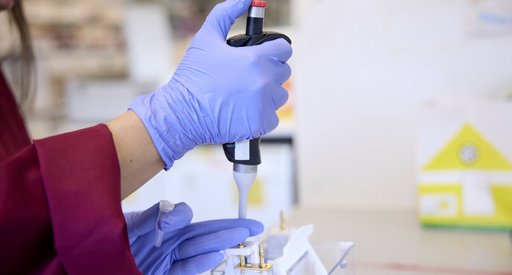
Understanding why people with acute myeloid leukaemia (AML) don’t always respond to treatment
Many people with acute myeloid leukaemia (AML) see their cancer come back. Dr Singh is studying a group of proteins to understand more about why drugs stop working.
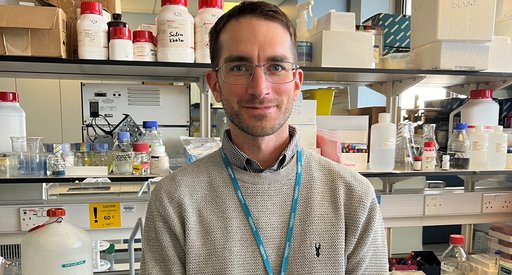
Using the immune system to develop a new treatment for non-Hodgkin lymphoma (NHL)
Dr Blunt and team are looking for new ways to treat people with NHL using immunotherapy that activates the immune system to attack lymphoma cells.
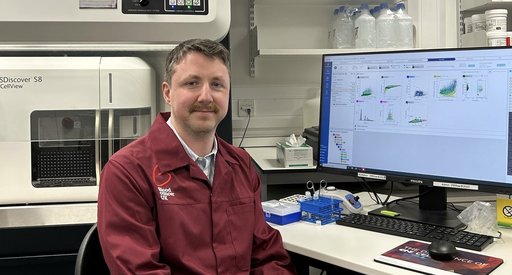
Understanding how B-cell acute lymphoblastic leukaemia (B-ALL) spreads to the brain
B-cell acute lymphoblastic leukaemia (B-ALL) can spread to the brain and spinal cord, making it harder to treat in children. Dr Duguid will study brain tissue to find better treatments.
Targeting transcription factors in blood cancer
Read more about how Dr Feldhahn plans to develop new scientific technology which he hopes could lead to a new drug treatment for acute lymphoblastic leukaemia (ALL).
Understanding more about the alterations in our cells that can cause myelodysplastic syndromes (MDS) and acute myeloid leukaemia (AML)
Dr Quek is conducting research into the cellular process that causes AML and MDS to develop.
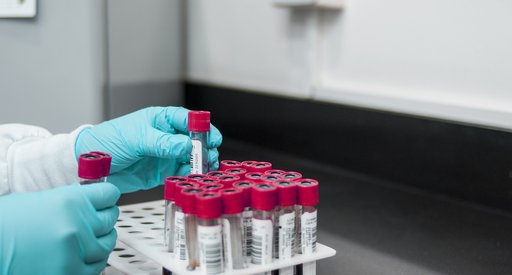
Understanding why some people with chronic lymphocytic leukaemia (CLL) get more infections
Dr Quek wants to better understand why many people with CLL have a high risk of developing infections following treatment by analysing blood and immune cells.
Understanding more the use of CT scans for children with blood cancer
Dr McNally’s research is exploring patterns in data to try to understand any potential risk of CT scans to help doctors to personalise treatment to each child based on their individual risk level.
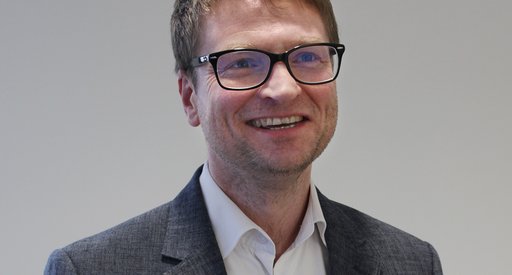
Using NHS Data to Improve treatment for people with myeloma
Professor Cairns is researching a way to use existing NHS data to better understand how well treatments work in the long-term for people with myeloma.
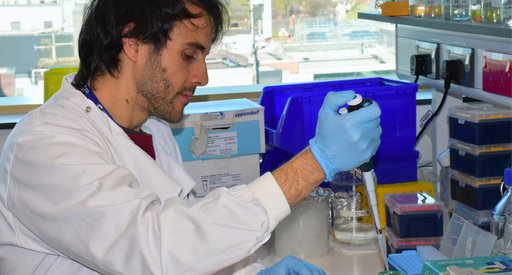
Unlocking new hope: developing new, effective treatments for people with myeloma and AML
Read about how Dr Luciano Nicosia is investigating a new drug to see if it might be a new way to treat myeloma and AML.
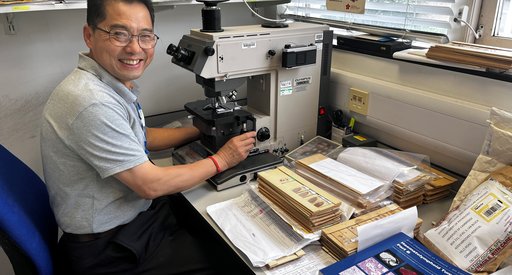
Understanding the biology of aggressive DLBCL
Researchers are studying changes in the DNA of an aggressive type of DLBCL. This could lead to new treatments and a better chance of survival.
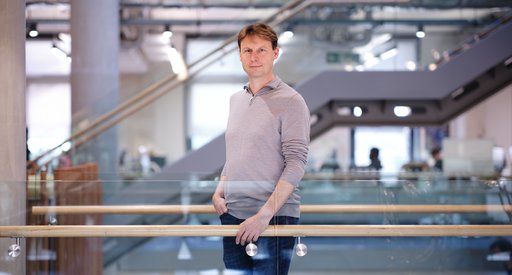
Developing new targeted treatments for B-cell lymphomas
Professor Pavel Tolar and his team are researching how receptors on the surface of B cells influence lymphoma growth.
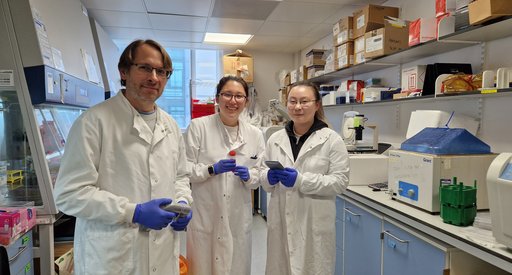
Finding new ways to stop leukaemia and lymphoma growing
Dr Feldhahn and team want to create new ways to study 'enhancers' so they can understand which ones are helping blood cancers to grow.
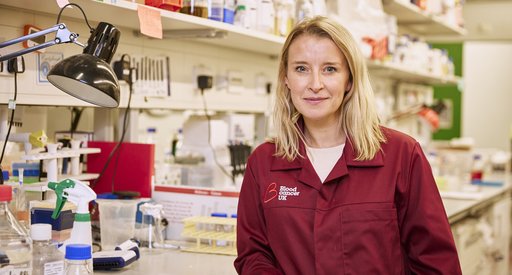
Improving CART-cell therapy for people with T-cell acute lymphoblastic leukaemia (T-ALL)
Dr Maciocia is researching ways to help improve a new CART-cell therapy, making it more effective so people remain cancer free for longer.
Mapping gene changes in ALL
A change in the BCR‑ABL gene can trigger acute lymphoblastic leukaemia (ALL). Dr Niklas Feldahn's research is uncovering what drives this process.
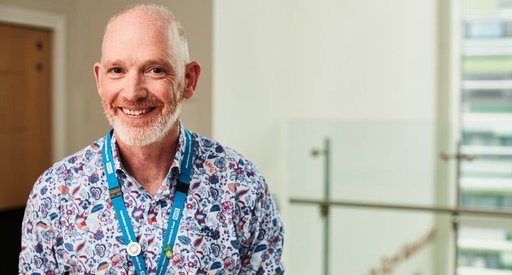
Revolutionising stem cell transplants to treat acute myeloid leukaemia (AML)
Professor Wynn is developing and testing a new type of stem cell transplant which he hopes could be a better treatment option for people with acute myeloid leukaemia (AML)
Keep in touch with us
Get the latest news from Blood Cancer UK directly to your inbox
We will keep you updated about our work and the ways you can help, including campaigns and events. We promise to respect your privacy and we will never sell or swap your details.