
Our research projects
Find out more about the research projects you're helping us to fund. Together we can beat blood cancer.

Finding new ways to target blood cancer with less side effects
Dr Mihkel Örd is studying molecules that block a key protein used by blood cancers, with the aim of developing better treatments with fewer side effects.
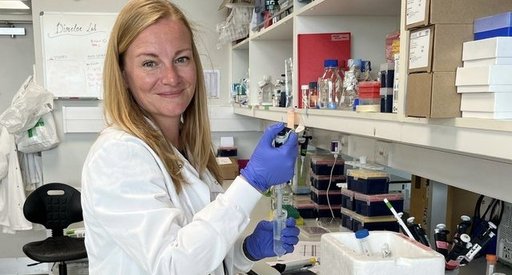
Finding new drug treatments that help the body’s immune system to treat myeloma
Dr Dimeloe plans to test drugs used to treat other diseases to see if these can help the body’s immune cells to destroy cancerous myeloma cells.
Understanding the risk of covid for people with blood cancer
Professor Hippisley-Cox and her team at the University of Oxford are conducting research to understand more about new treatments for people who are at a higher risk of getting ill from covid to see how effective they are.
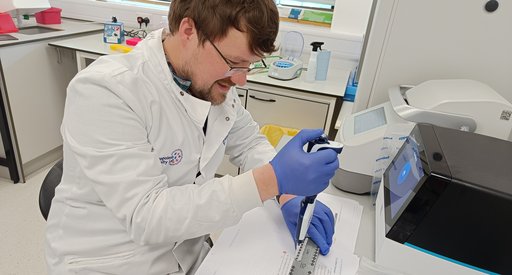
Understanding the role of genes in how ALL develops in children
Dr Wright and team want to understand more about graft verses leukaemic (GVL) effect and graft-versus-host disease (GVHD) after a bone marrow transplant.
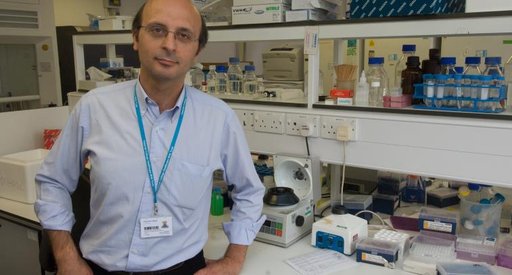
Using immune cells to create a new CAR-T therapy for multiple myeloma
Read more about how Professor Karadimitris and his team are researching a new treatment for myeloma that uses special immune cells.
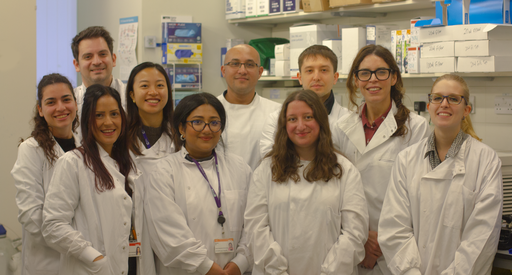
Understanding why CAR-T cell therapy works for some people but doesn't work for others
Dr Claire Roddie is researching to understand why CAR-T cell therapy is an effective treatment for some people with blood cancer but doesn't work well for everyone.
Understanding the best way to treat follicular lymphoma
Dr Linton is researching how the order in which treatments are given can affect outcomes for people with follicular lymphoma to find the best way to treat the disease.
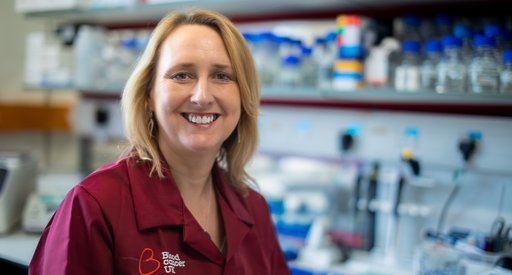
Discovering a less harmful way to treat blood cancers caused by the Epstein-Barr virus (EBV)
Professor West is working to create a targeted treatment for EBV‑positive cancers that leaves healthy cells unharmed.
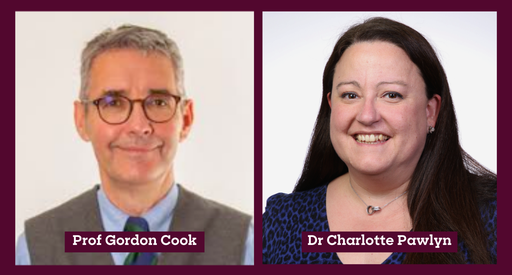
Trialling a personalised treatment approach for myeloma – The iFIT trial
We’re funding the iFIT trial in partnership with Cancer Research UK at the University of Leeds Institute of Clinical Trials Research.
Understanding how a virus can cause lymphoma
Dr Radzisheuskaya is seeking to understand the roles of specific proteins so she can develop more effective treatments for people with AML.
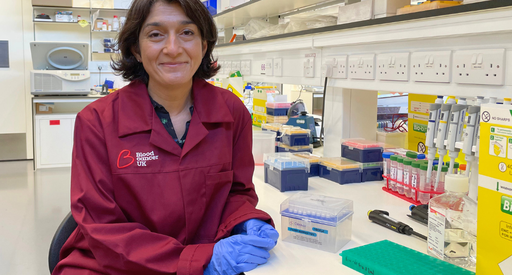
Developing a CAR-T therapy for children with myelodysplastic syndrome (MDS)
Dr Ghorashian wants to use CAR-T therapy to develop a safer and more effective way to treat children with MDS who are at risk of their cancer developing into AML.
Creating a new way to identify alterations that cause acute lymphoblastic leukaemia (ALL) in children
tba
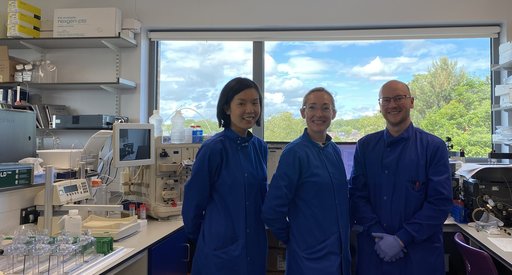
Using T-cells to understand the risk of getting very sick from covid
Dr Sean Lim and team are comparing two new tests to see how well they work and if they can predict who is more likely to get seriously ill from covid.
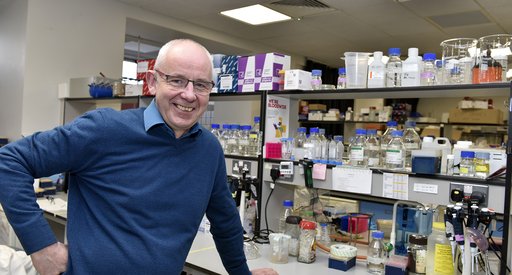
Understanding more about the causes of myeloma so new screening tools and drugs can be developed
Professor Chris Bunce wants to understand more about the root causes of myeloma so people at an increased risk of this disease can be screened and monitored and new drugs developed.
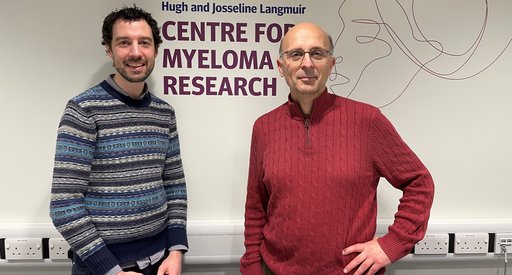
Understanding key molecules that help myeloma cells to grow in number and thrive
Professor Karadimitris and his team want to understand more about a specific molecule that can cause people with MGUS to go on to develop myeloma.
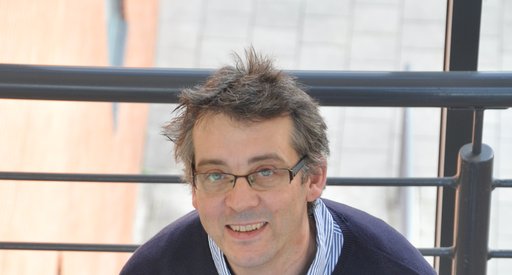
Unlocking a new, less harmful way of treating acute myeloid leukaemia (AML)
Professor Lacaud's research is looking to understand more about the KAT6A protein and how it could be used as a kinder treatment for acute myeloid leukaemia (AML).
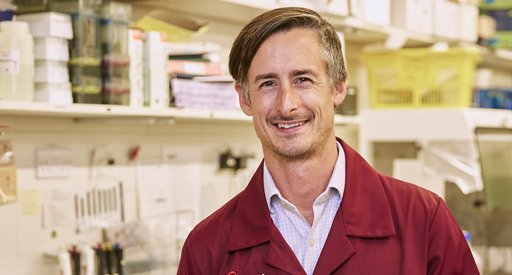
Developing a more effective CAR-T therapy to treat myeloma
Dr Maciocia is conducting experiments to discover the small proteins that will make CAR-T cells survive longer in people with myeloma.
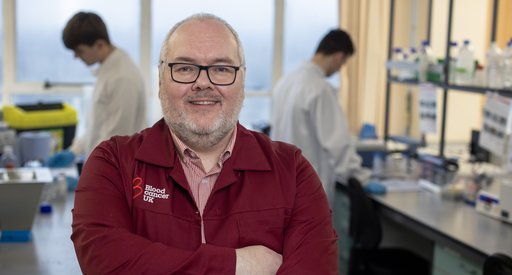
Identifying the tiny cells that causes AML to evade detection and survive
Professor Tonks plans to investigate a new method that could help ensure all AML cancer cells are destroyed so the cancer is unable to come back.
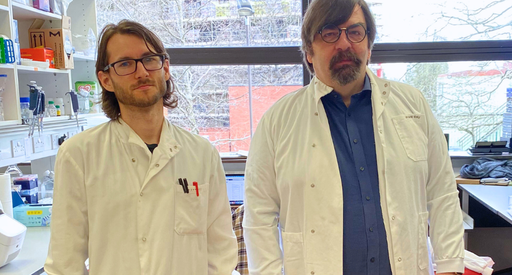
Developing new drug treatments for mastocytosis
Professor Nerlov wants to develop a new drug that can effectively target and treat mastocytosis.
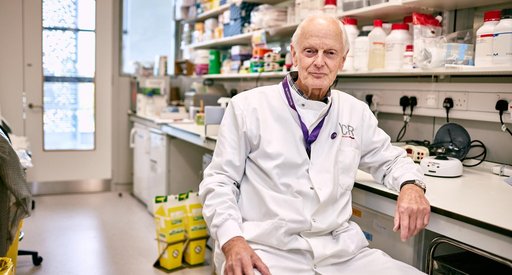
Developing a new way to treat T-cell acute lymphoblastic leukaemia (T-ALL)
Researchers are developing a kinder, targeted treatment for T‑cell acute lymphoblastic leukaemia to improve survival and quality of life.
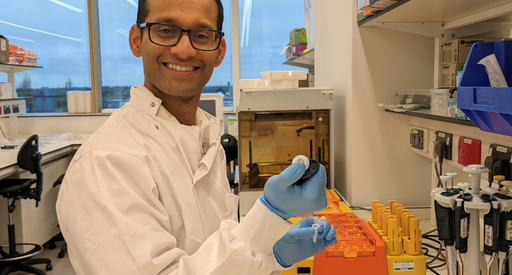
Investigating the role of the KCNJ2 gene in chronic myelomoncytic leukaemia (CMML) cancer cells
Dr Batta, University of Manchester, is researching the role of a specific gene called KCNJ2 and how it causes CMML cancer cells to grow.
Keep in touch with us
Get the latest news from Blood Cancer UK directly to your inbox
We will keep you updated about our work and the ways you can help, including campaigns and events. We promise to respect your privacy and we will never sell or swap your details.