
Our research projects
Find out more about the research projects you're helping us to fund. Together we can beat blood cancer.

Developing more effective and safer treatments for childhood leukaemia
This research explores why childhood ALL cells differ and how the disease begins, helping identify better, longer‑lasting treatments.
Finding new ways to treat aggressive chronic myeloid leukaemia (CML)
Professor David Vetrie and his team want to find ways to treat people whose Chronic myeloid leukaemia (CML) has stopped responding to treatment.
Reducing the risk of developing blood cancer in children with Shwachman-Diamond syndrome
Find out more about Professor Alan Warren's research to find new treatments for people with Schwachman-Diamond syndrome.
Reducing the need for chemotherapy in people with acute myeloid leukaemia (AML)
tba
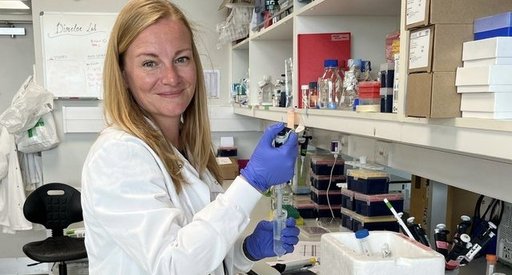
Using the immune system to improve treatment for people with myeloma
Find out more about Dr Sarah Dimeloe's research into using our immune system to destroy cancerous Myeloma cells.
Improving treatment for people with lymphoma
tba
Understanding how CML turns into an aggressive disease
Discover Dr Gillian Horne's research into why chronic myeloid leukaemia (CML) can develop into an aggressive form of blood cancer.
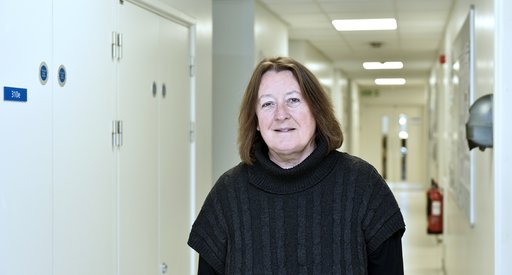
Understanding changes in AML stem cells
Professor Bonifer and her team want to learn more about alterations in genes of AML cells to find new ways to treat it.
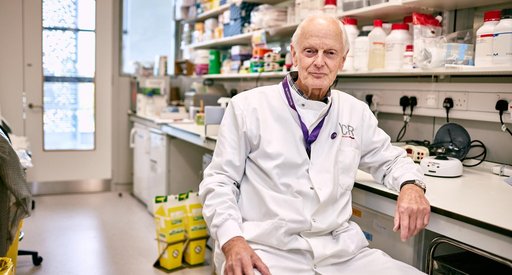
Developing a new type of treatment for leukaemia
Professor Rabbitts is developing a brand-new type of treatment which could provide a new option for people with leukaemia.

Understanding how leukaemia develops in children with Down’s syndrome
In this study, Professor Vyas will investigate how a genetic change present at birth in some children with Down’s syndrome can lead to leukaemia, and the steps involved.
Understanding the causes of post-transplant lymphoproliferative disease
Read about Dr Heather Long's study into how post-transplant lymphoproliferative disease (PTLD) can become resistant to treatment, and what new treatments could work on the blood cancer.
How does leukaemia develop in babies?
Some babies develop leukaemias as a result of changes that happen before birth. Professor Katrin Ottersbach wants to understand more about these changes and why some babies see their cancer return despite treatment.
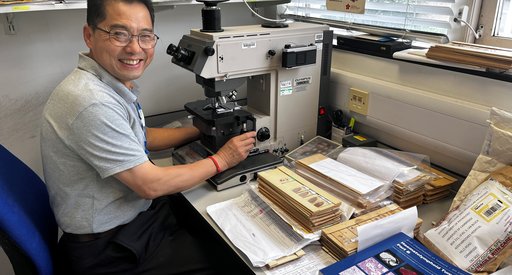
Creating a more personalised approach to treatment for DLBCL
Professor Du and his team at the University of Cambridge are investigating a unique feature in DLBCL cancer cells that may help them survive and resist treatment, aiming to improve understanding and improve treatment decisions for people with blood cancer
Monitoring the progression of aggressive blood cancers and finding new ways to stop them
Dr Andrejs Braun is studying a protein that he thinks may help to predict how aggressive certain types of blood cancer will be. They want to understand how and why this protein can influence the outcome of blood cancer.
Zeroing in on a pathway that drives myeloma
Researchers are studying a signalling pathway to identify new treatment targets for myeloma, a type of blood cancer.
Developing a risk score for graft-versus host disease in stem cell transplants
Graft-versus-host disease is a dangerous complication of stem or bone marrow transplant. Professor Paul Moss wants to understand more about the disease so we predict who might develop it.
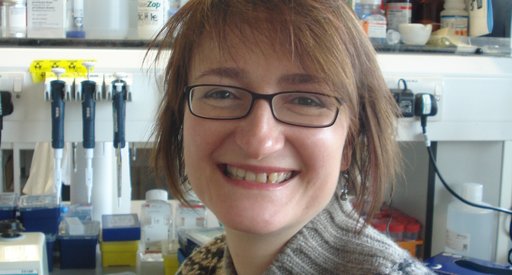
Reapplying the brakes in out of control CLL cells
Chronic lymphocytic leukaemia responds to chemotherapy and other treatments, but these can stop working. Blood Cancer UK researchers look at how to overcome this.
CLARITY trial
tba
TIDaL trial
Dr Tobias Menne's TIDaL trial looks into how well rituximab and ibrutinib work together in treating people with post-transplant lymphoproliferative disorders (PTLD).
CALiBRe Trial
Chronic lymphocytic leukaemia (CLL) treatments can be effective but often cause serious side effects or are unsuitable for some patients. Researchers are testing a new CLL drug that could provide a safer, more effective treatment option.
MATCHPOINT trial
Discover a trial testing a new treatment combination for people with advanced CML who have limited options.
Keep in touch with us
Get the latest news from Blood Cancer UK directly to your inbox
We will keep you updated about our work and the ways you can help, including campaigns and events. We promise to respect your privacy and we will never sell or swap your details.