Funding the boldest ideas in blood cancer research
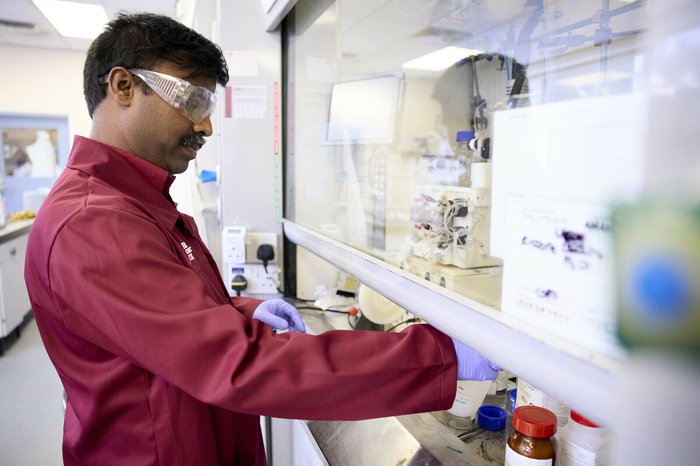
Researcher working in the lab
Every breakthrough in blood cancer began with an idea.
We're excited to share that we are funding 10 new Pilot Grant projects to give researchers the opportunity to explore bold, innovative ideas that have the potential to change how blood cancers are understood, diagnosed and treated in the future.
Spanning a range of blood cancer types, including some of the deadliest blood cancers. These projects are investigating everything from how blood cancers grow and survive, to developing new treatments and predicting and preventing disease and treatment complications. While each project is at a very early stage, together they represent the kind of innovative thinking that drives progress.
All breakthroughs start with an idea. This research could be the beginning of a brighter future for people with blood cancer.
- Dr Richard Francis, Director of Research at Blood Cancer UK
Research doesn't move forward without opportunities to test new ideas. Yet early-stage research is often the hardest to fund, as scientists need initial findings before they can dive deeper into larger-scale research projects.
This is why our Pilot Grants are so important. They give researchers the freedom to explore promising new ideas, generate vital early evidence and build the foundations for future discoveries that could benefit people living with blood cancer.
Meet the researchers we're funding
🧪 Dr Ioannis Kourtzelis from the University of York wants to understand whether the body's own immune cells may be accidentally helping the B-cell acute lymphoblastic leukaemia (B-ALL) cancer cells to survive so he can find new ways to prevent this from happening.
🧪 Dr Beatriz Gamez Molina from the University of Oxford wants to understand if a protein may be helping myeloma to develop and grow, and whether it could be used to predict or prevent the disease.
🧪 Dr Colin Adrain from Queen’s University Belfast wants to find new ways to target a protein that myeloma cells rely on to survive, with the hope of developing new treatments for people whose cancer has stopped responding to existing drugs.
Taking aim at the deadliest blood cancers
Myeloma and AML are among the deadliest blood cancers. Together these cancers have some of the poorest outcomes, with only 1 in 3 surviving. That’s why we’re funding several pilot studies aimed at the deadliest blood cancers.
🧪 Dr Zahra Masoumi from the University of York wantsto better understand how stem cells work and find new ways to grow them from umbilical cord blood so they can be made more accessible for people with blood cancer who need them.
🧪 Dr Kiran Batta from the University of Manchester wants to find a way to stop a protein that helps blood cancer cells to grow from being made, which he hopes will provide a new treatment for people with blood cancer in the future.
🧪 Dr Oscar Atkins from the Francis Crick Institute wants to understand why mantle cell lymphoma returns after treatment to identify new ways to stop the disease from returning.
🧪 Dr Sina Beer and Professor Martin Kaiser from the Institute of Cancer Research want to understand why a drug called lenalidomide can cause some people with myeloma to develop low white blood cell counts during treatment so they can help doctors predict and prevent this side effect.
🧪 Professor Erika Mancini from the University of Sussex wants to test a drug for acute myeloid leukaemia (AML) that means cancerous cells won’t be able to repair themselves if they become damaged, with the hope this could offer a new way to treat the disease.
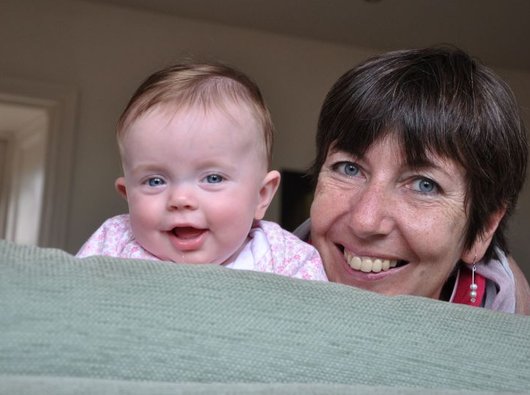
Research gives hope to people like Helen, who was diagnosed with AML in 2007
I just felt worse and worse, and when a doctor wearing a white coat came and sat on the chair next to my bed – I knew that it was leukaemia. They said, “we are going to treat this. You might not survive the treatment, but we are going to treat this".
🧪 Dr Beth Payne from University College London wants to understand more about a condition called haemophagocytic lymphohistiocytosis (HLH) where the immune system becomes dangerously overactive, to help predict, prevent and treat this condition.
🧪 Dr Livia E. Lisi-Vega from University College London has developed a new way to grow spleen tissue in the laboratory to understand how the spleen helps chronic lymphocytic leukaemia (CLL) cancer cells survive.
Investing in the ideas of tomorrow
The impact of research is never instant gain. Every clinical trial, new treatment and improved standard of care starts with researchers asking bold, innovative questions and having the support to find the answers.
By funding these 10 projects, we're investing in the next generation of discoveries that could lead to better treatments, better care and better outcomes for everyone affected by blood cancer.
None of this would be possible without our incredible supporters. Together, we're helping researchers take the first steps towards discoveries that could change lives, and we're excited to see where these projects may go.