
Our research projects
Find out more about the research projects you're helping us to fund. Together we can beat blood cancer.

Understanding how Adult T-cell lymphoma develops
In this research project, Dr Maertens wants to understand how a virus can cause a rare type of lymphoma.
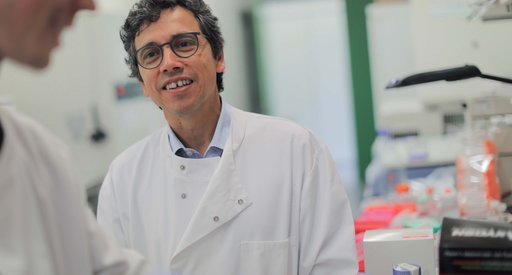
Understanding how childhood B-ALL develops
Professor Enver wants to find out more about how childhood B-ALL develops so he can prevent it from happening or find better ways to treat it.

Finding new ways to treat MPN
In this blood cancer research project, Dr Mishto wants to understand whether we might be able to harness our immune system to treat Myeloproliferative neoplasm (MPN).
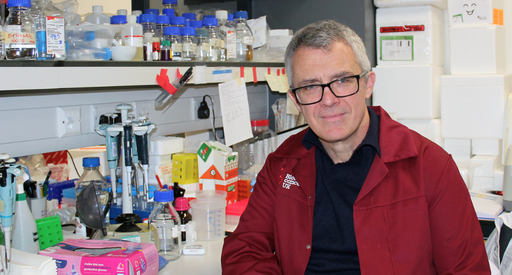
Understanding whether we can prevent acute myeloid leukaemia
Find out more about Professor George Vassiliou's study into preventing people from developing acute myeloid leukaemia (AML), by seeing if DNMT3A is responsible for cells becoming ‘pre-leukaemic'.
Studying how the immune system behaves in myeloma
tba
The STELLAR trial: Finding new treatments for Richter’s syndrome
Richter’s syndrome is a complication of chronic lymphocytic leukaemia. Blood Cancer UK researchers will add a drug to treatment to see if this improves outcome.
EuroNet-PHL-C2 trial
Researchers are exploring whether tailored chemotherapy can reduce the need for radiotherapy in children and young people.
UKALL 2011
Discover Professor Pamela Kearns's UKALL 2011 trial that looks at treatment for children who have acute lymphoblastic leukaemia (ALL) or a type of non-Hodgkin lymphoma (NHL) called lymphoblastic lymphoma (LBL).
Repurposing drugs to treat acute myeloid leukaemia
Researchers are looking at whether existing drugs for solid tumours can treat AML. This could provide a new option for people with the disease.
Attacking the roots of acute myeloid leukaemia (AML)
Professor Göttgens’ team is analysing thousands of genes in single cells to identify those that drive pre‑leukaemia and test whether disrupting them can prevent AML from developing.
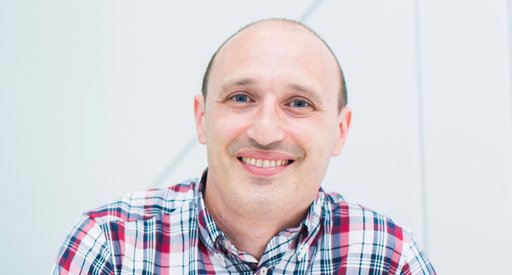
Improving outcomes for people with MDS/MPN Overlap Syndromes
Discover Dr Daniel Wiseman's research into a new drug called ASTX727, to see if it can extend and improve the lives of people with MDS/MPN Overlap Syndromes.
Understanding how AML cancer cells deal with stress
Dr Papamichos and his team are researching how AML cancer cells deal with stress so they can find ways to stop these cancer cells dividing and multiplying out of control.
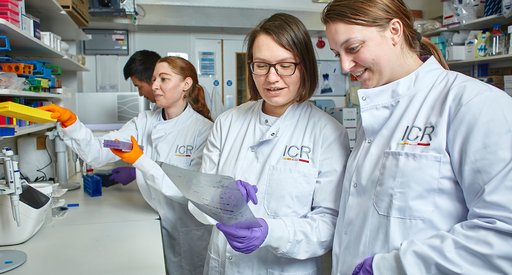
Targeting specific proteins in AML cancer cells
Dr Radzisheuskaya is seeking to understand the roles of specific proteins so she can develop more effective treatments for people with AML.
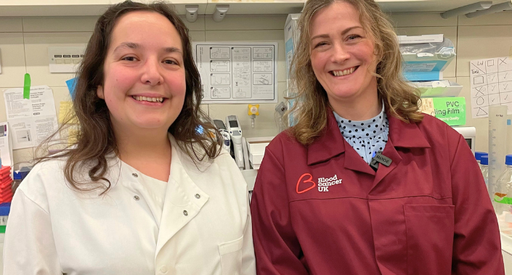
Understanding what causes blood cells to become cancerous
Read more about how Dr Payne and Dr Lubin plan to develop a new tool to help find new ways to prevent blood cancers from developing.
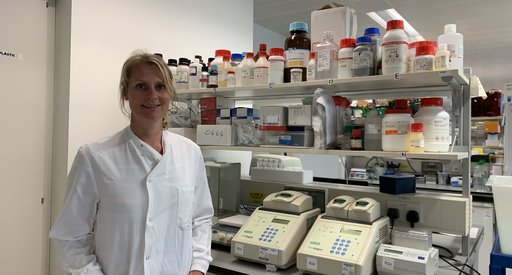
Understanding the role of mutations in the blood as we get older
Read more about Dr Kirschner's research which aims to identify mutations that occur in our blood cells so people at risk of developing blood cancer can be monitored.
Finding new ways to treat lymphoma
In this research project, Dr Hodson is looking for new ways to treat non-Hodgkin lymphoma.
Understanding what causes relapse in people with AML
In this project, Professor Bonnet wants to understand more about the cell that she thinks is responsible for AML returning.
Ensuring people with ALL get the most appropriate level of treatment
In this project, Professor Moorman is trying to find markers that can tell clinicians how much treatment someone with ALL needs.
Understanding how chemotherapy impacts quality of life in people with MDS
This research project will help us understand more about how quality of life changes throughout treatment which will allow clinicians to better support people with MDS in the future.
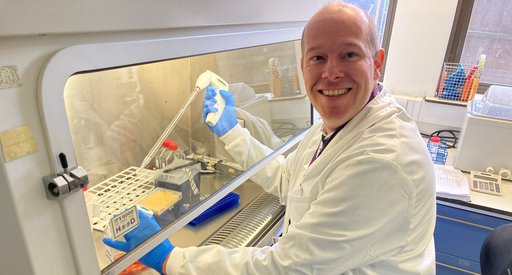
Understanding how CLL progresses
Dr Hoogeboom, King's College London wants to know more about how CLL cells move around the body and start growing.
Understanding how fat cells are involved in myeloma returning
In this research project, Professor Claire Edwards will look at how fat cells are involved in myeloma progressing.
Keep in touch with us
Get the latest news from Blood Cancer UK directly to your inbox
We will keep you updated about our work and the ways you can help, including campaigns and events. We promise to respect your privacy and we will never sell or swap your details.