
If your B-ALL treatment isn’t working or the B-ALL has come back
In some cases, treatment might not work to completely get rid of the B-ALL, or the B-ALL may come back after a period of remission.
It can be really tough to hear your treatment is not working, or that your B-ALL has come back. This page talks about the treatments that can be used to try to get people back into remission and where you can go for support.
Relapsed and refractory B-ALL
If your treatment does not fully get rid of the leukaemia cells in your blood and bone marrow and does not get you into remission, this is called refractory B-ALL.
If your treatment is successful in clearing the leukaemia cells in your blood and bone marrow and you reach remission, but the B-ALL later returns, this is called relapsed B-ALL.
Relapse can happen if a small number of leukaemia cells are left in your bone marrow after treatment. It can also happen if the treatment stops working to destroy the leukaemia cells, often because changes in the genes of the leukaemia cells make them resistant to the drugs.
How you might feel
Hearing that your treatment is not working, or that the B-ALL has come back, can be a devastating and very stressful time. It is completely understandable to feel upset, worried and frustrated. It is also normal to have lots of questions and concerns about what the next steps might be.
Do not be afraid to talk things through with your hospital team. If you think you might benefit from some extra support, you can also ask them to refer you for counselling.
Our mind and emotions page has tips to support your well-being through challenging times, and information about where you can go for more support.
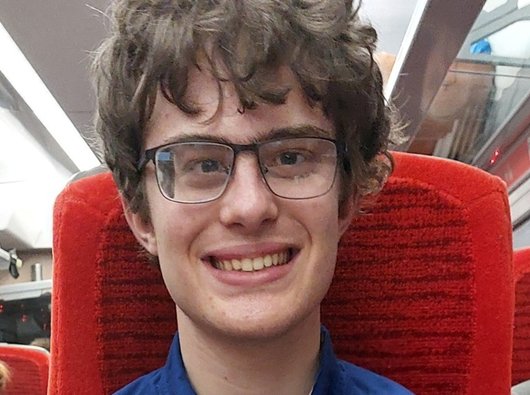
''After I heard I had relapsed, I took one day at a time and searched for the little things that I could enjoy and control. Take the support around you and don't be afraid to ask difficult questions.''
Harry, diagnosed with B-ALL in 2023.
You're not alone. If you want to talk things through, feel free to get in touch and ask a blood cancer nurse.
Treatments options for relapsed and refractory B-ALL
It’s important to remember that if this happens, there are other treatment options that can be used with the aim of getting you into remission. You may hear your doctor call these “salvage therapies”.
The treatment you might receive if you have refractory or relapsed B-ALL, will depend on many different things, including:
- the type of B-ALL you have and the genetic changes in your leukaemia cells
- your age, overall health, and how physically fit you are
- how you have responded to treatment before
- which treatments you’ve had already
- your own wishes around treatment.
Your doctor and multidisciplinary team will meet together and share their expert advice around what treatment might be best for you. Your hospital team will then discuss your treatment options with you, listen to your wishes around treatment, and talk you through next steps. Don’t be afraid to bring up any questions or concerns you may have.
Depending on your situation, you might receive one or more of the following types of treatment for relapsed or refractory B-ALL:
Targeted treatments and immunotherapy
- Tyrosine Kinase Inhibitors (TKIs): If you have Philadelphia positive B-ALL, your hospital team may offer you a different TKI. You may have this alongside immunotherapy and/or more chemotherapy.
- The TKI that most people with Ph+ B-ALL have when they first start treatment, is imatinib. If this stops working for you, or does not get you into remission, there are other TKIs that can be tried. TKIs that can be used for people who have relapsed or refractory Philadelphia positive B-ALL include dasatinib and ponatinib.
- Blinatumomab: Unless you have Ph+ B-ALL, you may be given a drug called blinatumomab, if you haven’t had it before. Blinatumomab can be used to treat B-ALL that either remains in the bone marrow after intensive chemotherapy (refractory B-ALL) or comes back after a period of remission (relapsed B-ALL).
Blinatumomab is a type of immunotherapy, which means it uses your immune system to destroy leukaemia cells. Research has found that treatment plans including blinatumomab can lead to more people with relapsed or refractory Ph- B-ALL reaching remission, than those who were given traditional chemotherapy alone. - Inotuzumab ozogamicin: This is a type of monoclonal antibody drug with chemotherapy attached to it. It targets a protein called CD22, which is found on the surface of leukaemia cells in some people with B-ALL.
At the moment, it is only offered to people whose B-ALL has relapsed or is refractory to other treatments and whose leukaemia cells have the CD22 protein.
Chemotherapy
These days, chemotherapy is used less often on its own for relapsed or refractory B-ALL. This is because newer, targeted treatments have been found to be more effective, and for many people, often have fewer side effects. Therefore, you may still have chemotherapy, but this will usually be given alongside other types of treatment. Depending on your treatment plan, chemotherapy may be given as:
Re-induction therapy – to try to get your B-ALL back into remission after it has come back (relapsed) or has not responded to previous treatment.
Bridging therapy – to help control your B-ALL while you are preparing for another treatment, such as a stem cell transplant or CAR-T therapy.
You may have a chemotherapy combination called FLAG or FLAG-ida.
- fludarabine – a type of chemotherapy drug
- cytarabine – a type of chemotherapy drug
- G-CSF – you might be given a drug called a growth factor, which helps your bone marrow to make more neutrophils (a type of white blood cell that helps fight infection).
You might also receive idarubicin, another type of chemotherapy drug, as part of a more intensive treatment protocol called FLAG-Ida.
Allogeneic (donor) stem cell transplant
You may be told that you will need a donor stem cell transplant to give you the best chance of staying in remission long-term. A stem cell transplant aims to completely replace your immune system and your bone marrow, so they can work normally again.
Your doctor will look at many different things before deciding whether to recommend a stem cell transplant, including:
- whether you have a suitable donor (from a brother, sister, or somebody not related to you)
- the risk of the B-ALL coming back
- whether the B-ALL has any genetic changes
- how well the B-ALL has responded to previous treatments.
They will also consider your overall fitness. This helps them understand how well your body is likely to cope with the treatment. A stem cell transplant is a very intensive treatment, so it is not right for everybody.
You will only be offered a stem cell transplant if your hospital team thinks that there is a higher chance of you going into remission, than having serious complications.
Order our information booklet on donor stem cell transplants: Allogeneic (donor) stem cell transplants: the seven steps
CAR T-cell therapy
Some people who have relapsed or refractory B-ALL, may be able to have a treatment called CAR T-cell therapy.
CAR T-cell therapy is a type of immunotherapy, which means it works by using someone’s own immune system to kill the cancer cells in their body.
How does CAR T-cell therapy work?
T cells (blood cells that help fight and prevent infection) will be taken from your blood, using a tube inserted into a vein in your arm, through a process called apheresis. Your T-cells will then be sent to a lab, where their DNA will be altered to give them the ability to recognise and kill cancer cells. These newly modified cells are called CAR T-cells.
Over the next few weeks, the lab will grow lots of these CAR T-cells. While you are waiting for your new CAR T-cells, you might receive another type of treatment, such as chemotherapy, to help control the B-ALL before your CAR T-cell therapy. This is known as bridging treatment.
Once enough CAR T-cells have been grown in the lab, they are then put back into your bloodstream, so that they can get to work finding and destroying the cancer cells in your body.
Afterwards, you will be closely monitored by your hospital team for the next few weeks. Most people having CAR T-cell therapy need to stay in hospital for between 10 and 28 days.
CAR T-cell therapy for B-ALL
Car T-cell therapy has strict eligibility criteria. At the moment, the below CAR-T treatments are approved in the UK for B-ALL:
- Aucatzyl (obe-cel or obecabtagene autoleucel). This is approved for people aged 26 years of age and over, who have relapsed or refractory B‑cell ALL.
- Tisagenlecleucel (Kymriah®) This is approved for people aged 25 years of age and under who have B‑cell ALL that is not responding to treatment, has relapsed after a stem cell transplant or is in a second or later relapse.
- Brexucabtagene autoleucel (Tecartus®) - this is approved for people aged 26 years of age and over, who have relapsed or refractory B-ALL.
''While waiting for my t cells to be modified and returned, I felt both anxious and hopeful. It gave me time to prepare mentally and spiritually for what lay ahead.''
Binu, diagnosed with B-ALL in 2022
Read Binu's story about going on a clinical trial for CAR T-cell therapy.

Clinical trials
Researchers are working to improve existing treatments and develop new treatments, for people with relapsed and refractory B-ALL. One way this is done is through clinical trials. You might be offered the opportunity to join a clinical trial which is looking at new treatments or combinations of treatments for relapsed or refractory B-ALL. If you have questions about clinical trials at any point, speak to your hospital team.

Contact our clinical trials navigation service
Get personalised support to understand which clinical trials are available - whether you're a patient, carer or healthcare professional.
If the B-ALL can't be cured
Sometimes, serious underlying health conditions or the intensity of treatment needed to cure someone’s B-ALL might mean that it cannot be cured.
If you have been told that curing the B-ALL is no longer possible, or you have decided together with your hospital team not to continue with active treatment, your care may focus on controlling the B-ALL and improving your quality of life. Your hospital team will guide you through the next steps in your treatment and care.
Palliative care
You will be offered treatment that helps ease your symptoms and improve your quality of life, keeping you as comfortable as possible. This is known as palliative care.
The palliative care team will be able to offer both emotional and practical support to both you and your family. You may be able to receive palliative care at home. Some people have palliative care for many years.
Hearing that the B-ALL can’t be cured can be overwhelming and deeply upsetting. It can take time for you and your loved ones to process this news.
Remember that you don't have to face this alone. If you need someone to talk to or want support at any stage, you can email or call to speak to a blood cancer nurse.

Want to talk?
If you have questions or worries, ask a blood cancer nurse. Our specialist nurses can help you make sense of things. So you can talk to your hospital team with confidence.
More About ThisMore information
About this page
This information has been accredited with the PIF TICK, the UK's only quality mark for trusted health information.
Last full review June 2026. Next full review due June 2029. We may make factual updates between reviews.
Thank you to Consultant Haematologists Professor Adele Fielding and Dr Clare Rowntree for checking the clinical accuracy of our adult B-cell acute lymphoblastic leukaemia (B-ALL) information.
Thank you also to Karis, Ricky, Binu, Harry, Keri and Jesús for sharing their experiences and for helping with the creation of this information.